 Notice:

 search
search
search


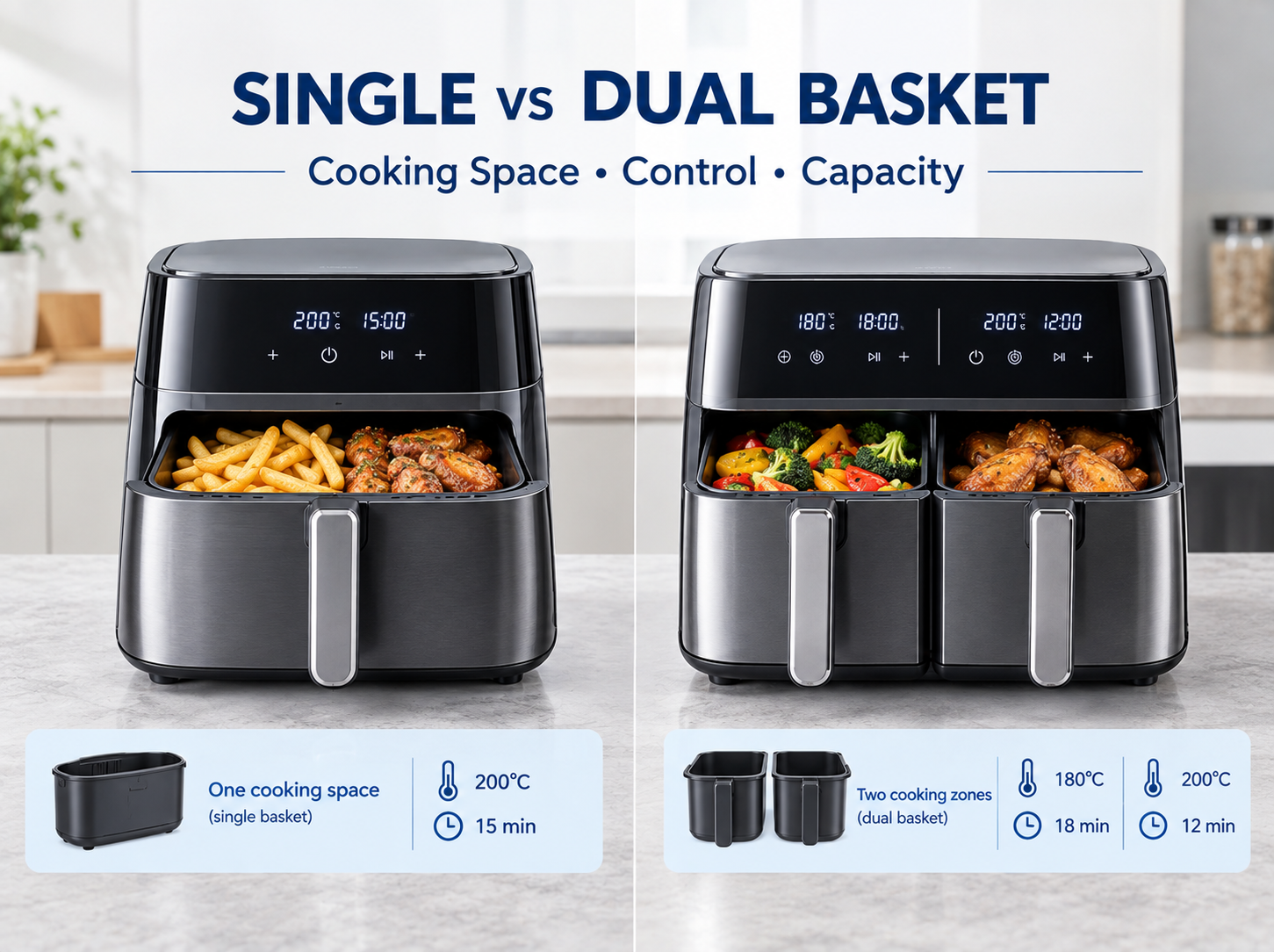
Single-Basket vs. Dual-Basket Air Fryer. When sourcing an air fryer, one of the first product decisions is whether to develop or purchase a single-basket or dual-basket model. Compare cooking space, capacity, control, airflow, footprint, cost, quality and retail positioning.
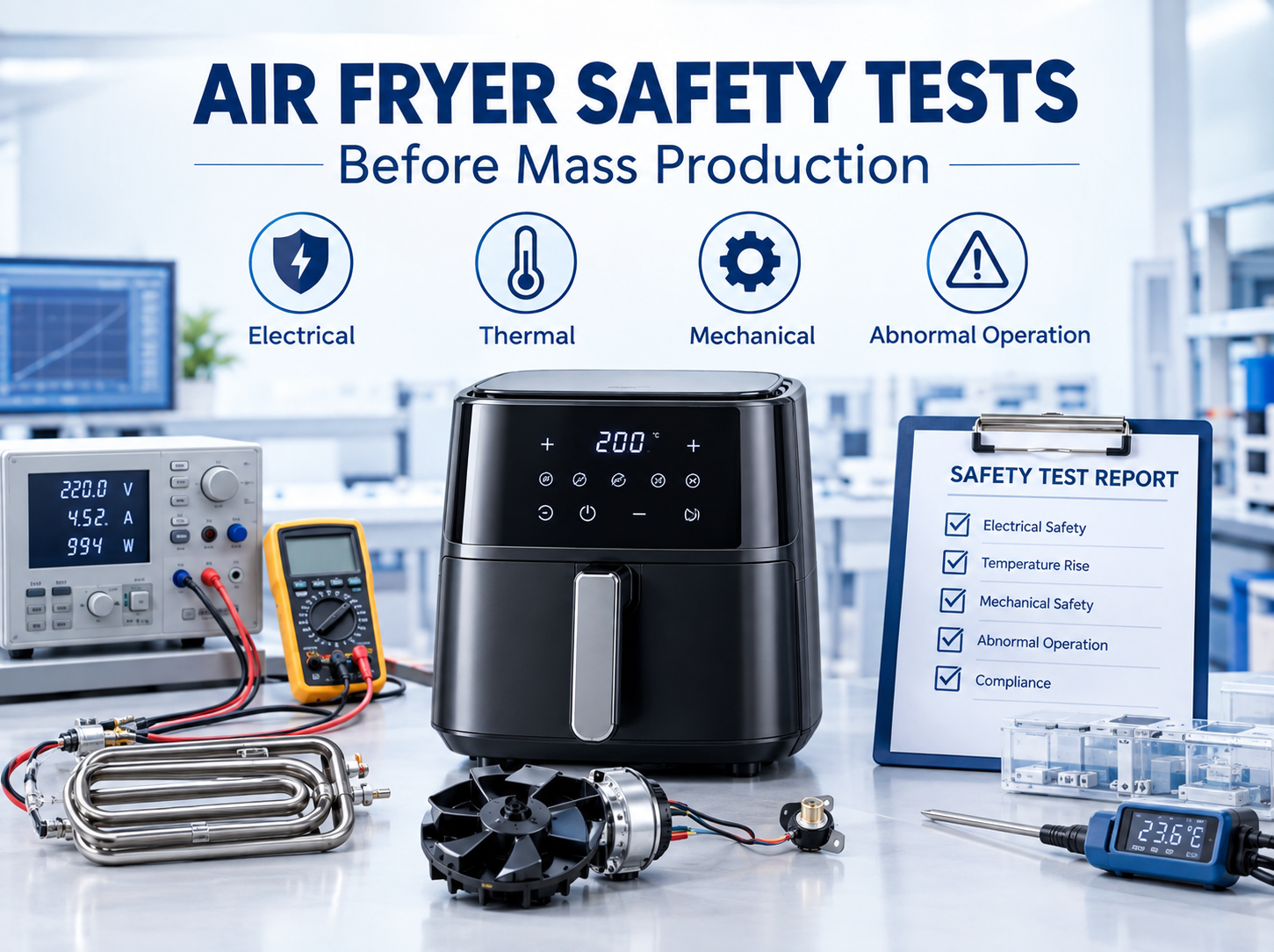
For an air fryer importer, brand owner or private-label buyer, approving an engineering sample is only one step before mass production. Learn how buyers can evaluate electrical, thermal, mechanical, motor, heating and abnormal-operation safety before bulk production.
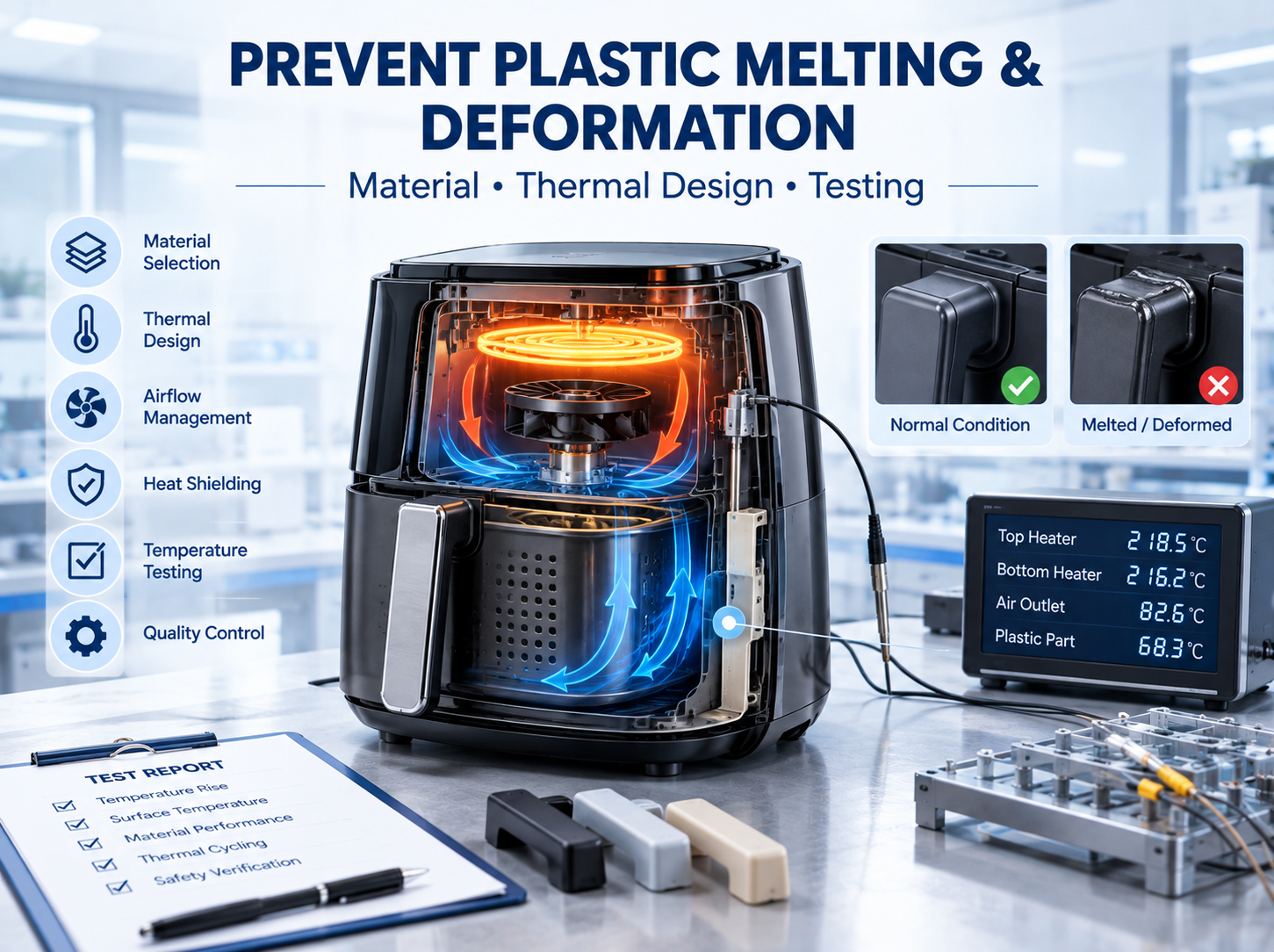
Plastic melting or deformation is one of the quality problems that air fryer brands and importers need to consider. Learn how to prevent plastic melting and deformation in air fryers through proper material selection, thermal design, airflow, heat shielding, testing, and production quality control.
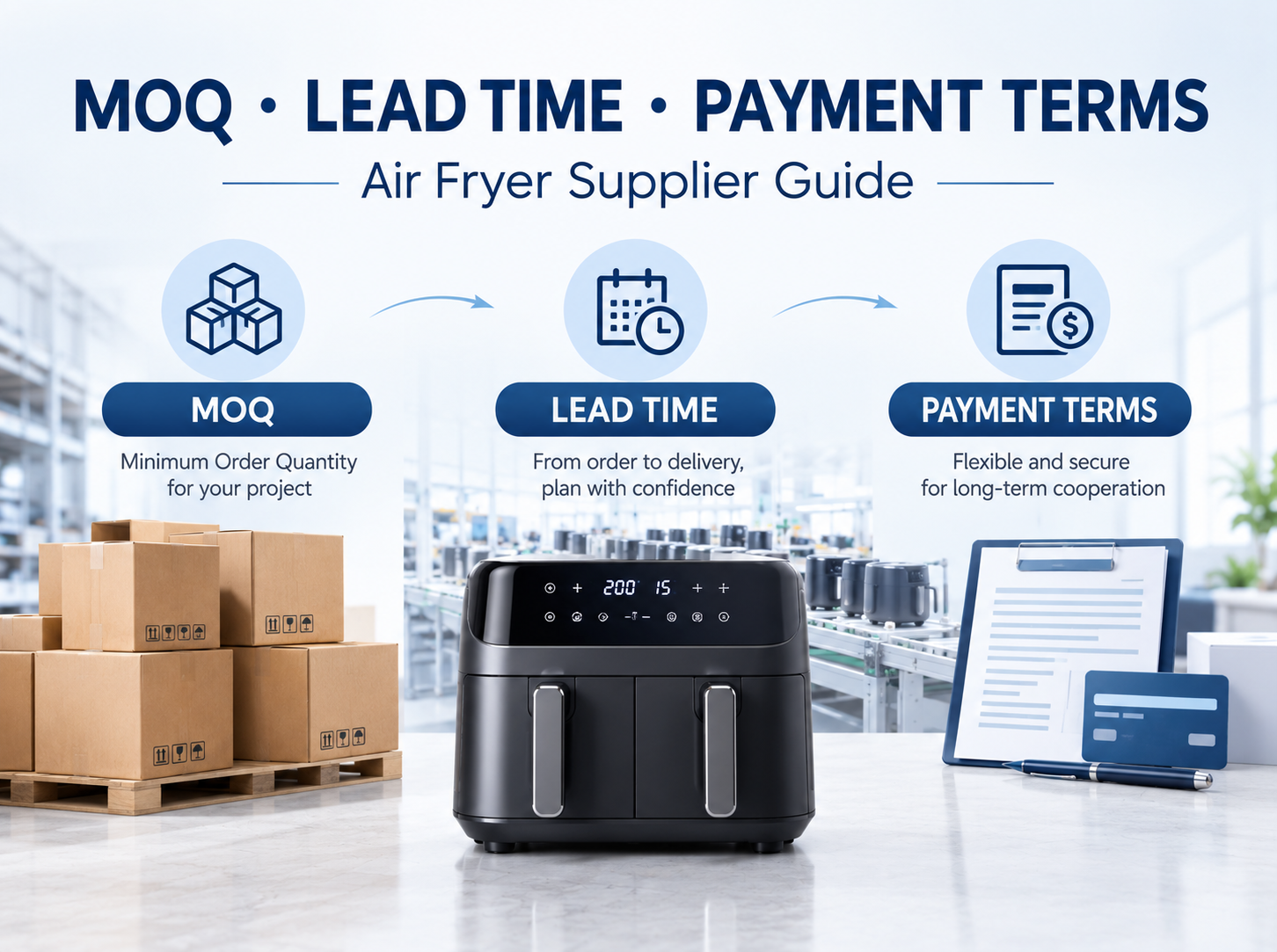
What MOQ, lead time and payment terms should you expect from an air fryer supplier? Learn how customization, order quantity, tooling, production and supplier policies affect your sourcing plan.
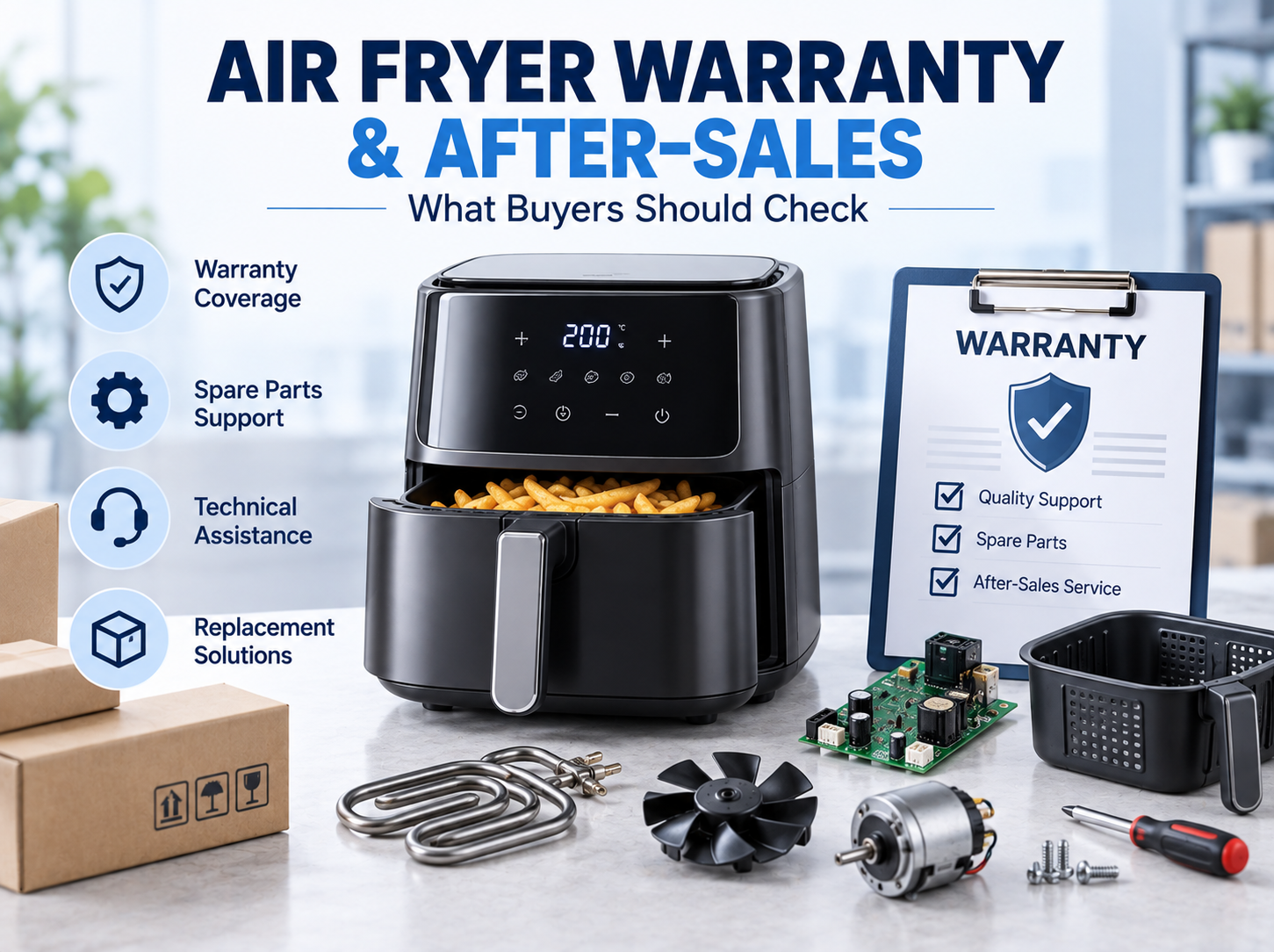
For air fryer importers, private-label brands, retailers and wholesalers, it’s necessary to learn about heating, motor, control, basket, coating and electrical issues, warranty claims, spare parts and supplier support.
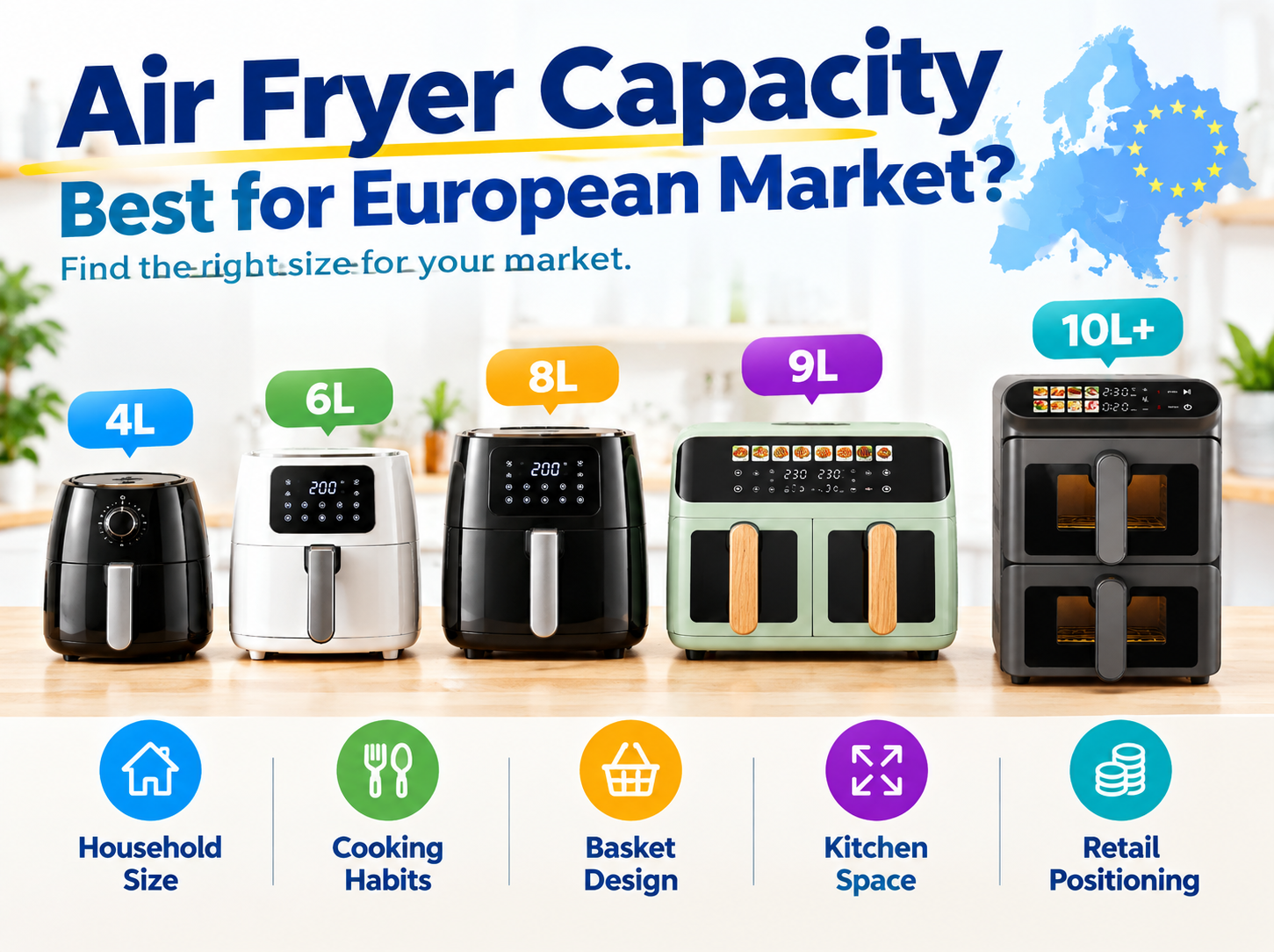
What air fryer capacity is best for the European market? Compare 4L, 6L, 8L, 9L and 10L+ air fryers by household size, basket design, footprint, cooking needs and retail positioning.
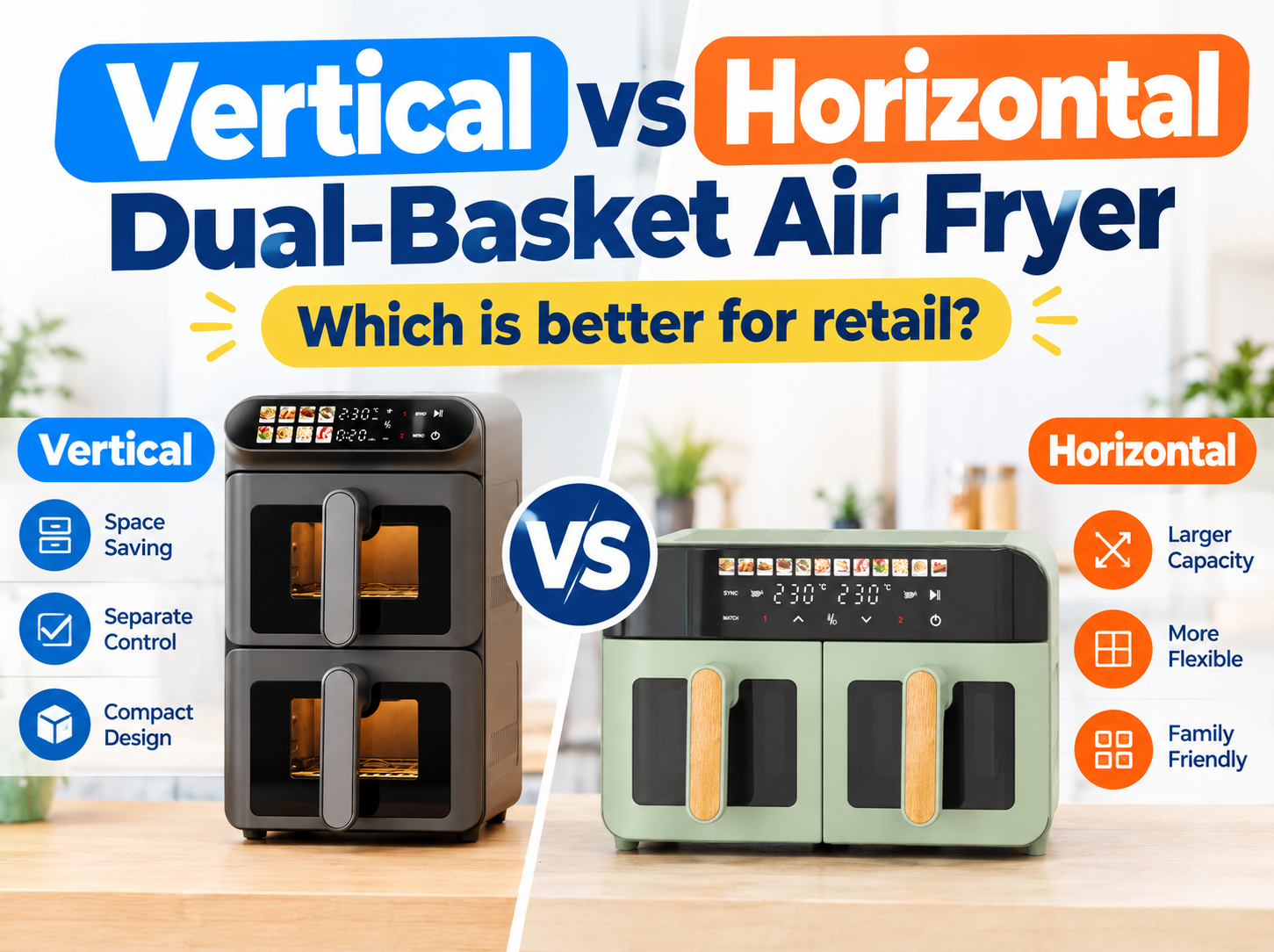
Compare vertical and horizontal dual-basket air fryers for retail. Learn about space, capacity, cooking performance, usability, merchandising, packaging and product positioning.
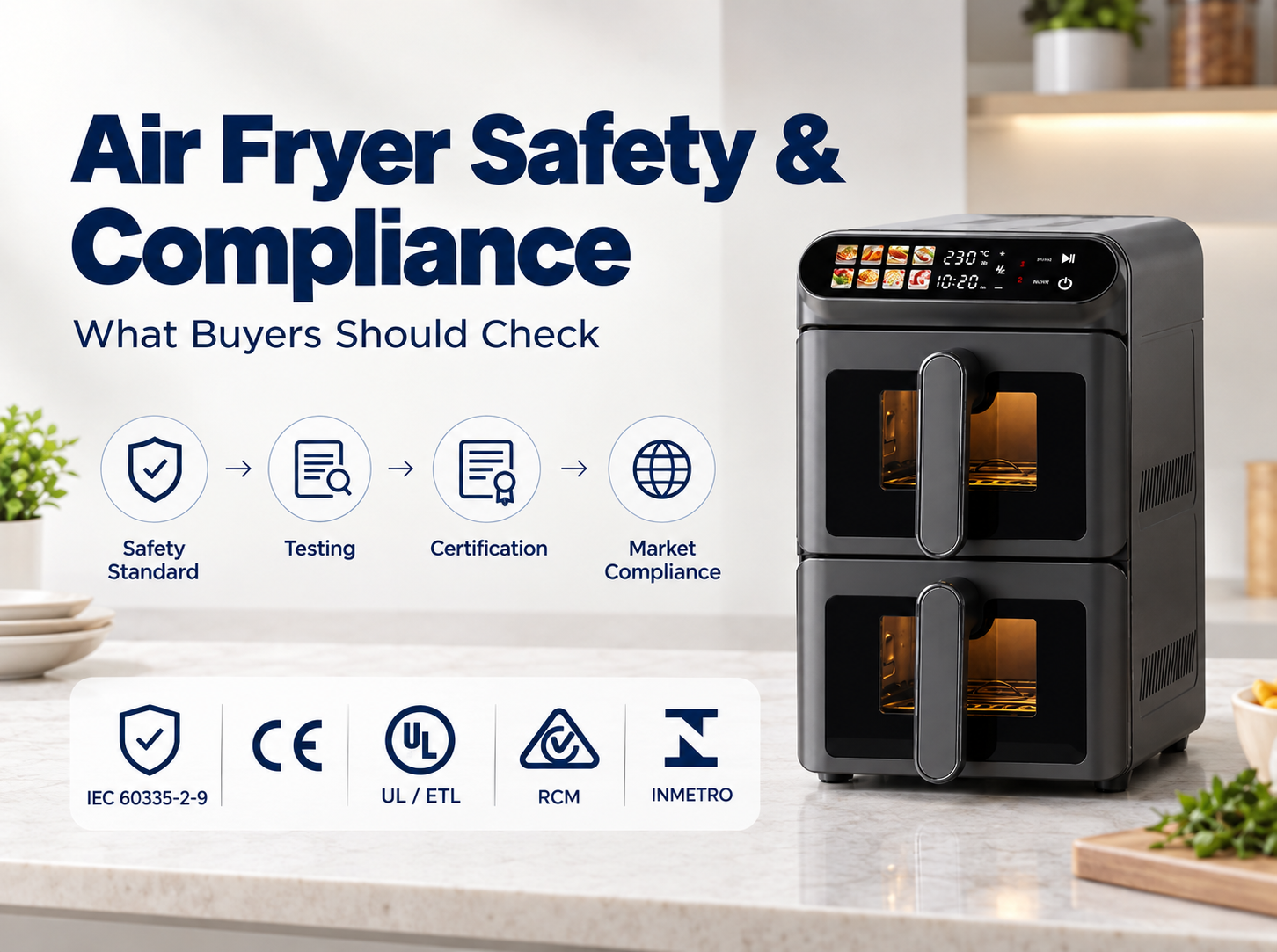
What Certifications Does an Air Fryer Need? Understand air fryer safety standards and certifications by market, including IEC 60335-2-9, CE, UL, ETL, UKCA, RCM, INMETRO and GCC compliance requirements.
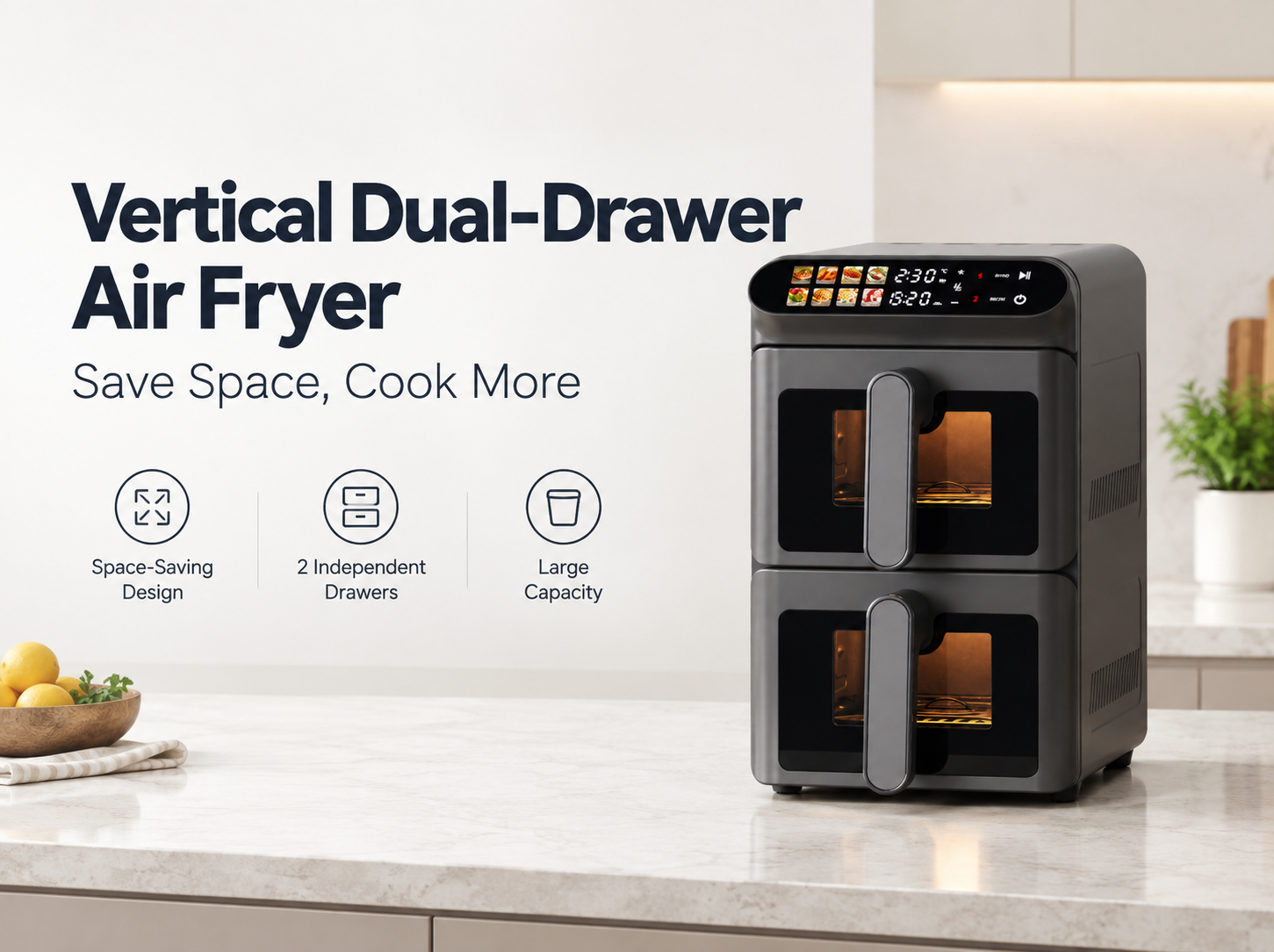
Learn how vertical dual-drawer air fryers compare with side-by-side models in terms of kitchen space, cooking flexibility, airflow, usability and B2B sourcing considerations.
 + 86 181 3826 8709
 info@funloiv.com
 6/F., Guanglong Building, Pingxin North Road, Longgang, Shenzhen City, Guangdong, China


@ 2009-2026 Shenzhen Funloiv Electric Appliance Co., LtdAll rights reserved


