 Notice:

 search
search
search
Sep 29, 2026


Importing air fryers from China involves much more than finding a supplier and placing an order.
For importers, brand owners, retailers and wholesalers, the process normally includes defining the target market, specifying the product, finding and evaluating suppliers, sending an RFQ, comparing quotations, testing samples, verifying compliance, confirming specifications, controlling mass production, arranging shipping and customs clearance, and managing after-sales support.
A practical sourcing process looks like this:
Market Requirements → Product Specification → Supplier Search → RFQ → Quotation → Sample Testing → Compliance → Order Confirmation → Production → QC → Shipping → Customs → After-Sales
The exact requirements depend on your destination market, product configuration, sales channel and business model.
This guide explains each stage from an importer or brand owner's perspective.
1. Define Your Target Market Before Looking for a Supplier
The first step is not finding a Chinese air fryer supplier.
It is defining where and how you plan to sell the product.
Your target market affects the product specification, electrical configuration, certification, labeling, packaging and sometimes even the product design.
Before contacting suppliers, define:
l Target country or region
l Sales channel
l Target consumer
l Target retail price
l Product positioning
l Expected order quantity
l Launch schedule
l Warranty expectations
For example, an air fryer intended for Germany may have different requirements from one intended for the USA, Australia or Brazil.
For EU imports, importers have specific responsibilities to verify that products meet applicable EU requirements and that the necessary conformity documentation is available before placing products on the market.
Therefore, your RFQ should state the target market from the beginning.
For example:
Target Market: Germany / EU
is much more useful to a supplier than:
Need CE.
Your target market should influence the product discussion from the first quotation.
For a detailed market-by-market discussion, see Air Fryer Certifications & Compliance by Market.
2. Define the Air Fryer You Want to Import
Before asking suppliers for prices, determine what type of air fryer you are looking for.
At minimum, consider the following.
Capacity
Typical product categories may include:
l 3–5L
l 6–8L
l 9–12L
l Large-capacity air fryer ovens
But capacity should not be considered in isolation.
The internal cooking space, basket dimensions and overall footprint can affect the actual user experience.
For European-market sourcing, your existing guide on capacity can be used as a deeper resource:
What Air Fryer Capacity Is Best for the European Market?
Basket Configuration
Consider:
l Single basket
l Dual basket
l Dual drawer
l Vertical dual drawer
l Horizontal dual basket
l Air fryer oven
Control System
For example:
l Mechanical
l Digital
l Touch control
l Display + physical buttons
Heating System
You may need to specify:
l Heating element type
l Single or dual heating
l Heating position
l Airflow configuration
l Motor type
Materials
Depending on the positioning, options may include:
l Plastic housing
l Metal housing
l Stainless steel components
l Mixed construction
Temperature Range
If a higher-temperature product is part of your positioning, don't simply specify a number such as 230°C.
The supplier should also be able to explain how the heating system, airflow, materials and thermal protection support the specification.
Your detailed 230°C guide can cover that technical evaluation:
230°C Air Fryer: What Buyers Should Check Before Importing
3. Find and Shortlist Chinese Air Fryer Suppliers
Once you know what you want, start looking for suppliers.
Potential sources include:
l Direct manufacturer websites
l B2B marketplaces
l Trade fairs
l Industry exhibitions
l Sourcing agents
l Existing industry contacts
l Referrals
But finding a supplier is only the beginning.
The important question is:
Can this supplier produce the specific air fryer I want, for my target market, at the required quality and commercial volume?
For an importer, evaluate more than product photos.
Look at:
Product Capability
Can the supplier produce:
l Your required capacity?
l Your basket configuration?
l Your required heating system?
l Your desired materials?
l Your control system?
OEM/ODM Capability
Can they support:
l Logo customization?
l Packaging?
l Color?
l Structural changes?
l New product development?
l Tooling?
l Engineering?
l Samples?
Quality Capability
Ask about:
l Incoming QC
l Production QC
l Functional testing
l Aging testing
l Final inspection
l Pre-shipment inspection
Compliance Capability
Ask:
l Which certifications are available?
l Which testing reports exist?
l Do they cover the exact model?
l Can the supplier support additional testing?
For brands planning a customized product, your detailed supplier-selection guide should be the next step:
How to Choose an OEM/ODM Air Fryer Supplier in China
4. Prepare a Detailed Air Fryer RFQ
One of the biggest mistakes buyers make is sending:
“Please send me your best price for an 8L air fryer.”
This is usually not enough information for a meaningful OEM quotation.
A professional RFQ should include:
Product
l Capacity
l Basket configuration
l Voltage
l Frequency
l Rated power
l Temperature range
l Timer
l Heating system
l Motor
l Controls
l Materials
l Accessories
Design
l Existing model or new design
l Reference product
l Product color
l Logo
l Display
l Control panel
l Packaging
Market
l Target country
l Required plug
l Certification requirements
l Labeling
l Manual language
l Target sales channel
Commercial
l Initial order quantity
l Expected annual volume
l Target FOB price, if available
l Required delivery date
l Payment terms
l Packaging requirements
Your existing RFQ guide specifically recommends providing product, packaging, certification, MOQ, target FOB price and market information so the supplier can prepare a more meaningful quotation.
For a detailed checklist:
Air Fryer RFQ Checklist: 20 Specifications Buyers Should Include
5. Compare Air Fryer Supplier Quotations Carefully
After sending your RFQ, you may receive several quotations.
For example:
Supplier | FOB Price |
Supplier A | USD 29 |
Supplier B | USD 34 |
Supplier C | USD 38 |
It is tempting to select Supplier A immediately.
But the three quotations may not actually describe the same product.
Supplier A may have:
l Different materials
l Lower power
l Different heating components
l Lower MOQ
l Different packaging
l Different certification scope
l Different warranty
l Different Incoterm
Therefore, compare:
Specification + Materials + Functions + MOQ + Certification + Packaging + Lead Time + Warranty + Commercial Terms
—not simply FOB price.
Your existing quotation-comparison article explains this apples-to-apples approach in detail.
How to Compare Quotations from Different Air Fryer Suppliers
6. Clarify MOQ, Lead Time and Payment Terms
Before moving forward, clarify the commercial terms.
MOQ
Ask:
l Is MOQ per model?
l Per color?
l Per SKU?
l Per voltage?
l Per packaging?
l Can models be mixed?
l Can colors be mixed?
For standard models, MOQ may be different from a fully customized OEM or ODM project.
Lead Time
Separate:
Sample Lead Time
from:
Tooling Lead Time
and:
Mass Production Lead Time
Also ask whether the production lead time starts after:
l Deposit
l Sample approval
l Packaging approval
l Artwork approval
l Certification confirmation
Payment Terms
Clarify:
l Deposit percentage
l Balance payment
l Payment timing
l Payment method
l Conditions for repeat orders
Don't assume that commercial terms are identical between suppliers.
7. Order Samples Before Placing a Bulk Order
A product catalogue cannot tell you whether an air fryer will actually perform as expected.
Before mass production, request and test samples.
A sample evaluation can include:
Performance
l Temperature accuracy
l Heating speed
l Cooking consistency
l Airflow
l Cooking time
Mechanical
l Basket durability
l Handle strength
l Drawer operation
l Assembly quality
Electrical
l Power consumption
l Electrical safety
l Controls
l Auto shut-off
Thermal
l Surface temperature
l Thermal protection
l Continuous operation
l Material performance
User Experience
l Noise
l Cleaning
l Display
l Controls
l Basket removal
FUNLOIV's sample-testing guide currently recommends evaluating areas such as temperature accuracy, heating performance, cooking consistency, motor noise, basket durability, handle strength, surface temperature, plastic deformation, electrical safety and continuous operation.
How Can I Test an Air Fryer Sample Before Placing a Bulk Order?
8. Verify Certifications and Compliance Before Mass Production
This is one of the most important stages for an importer.
Do not simply ask:
“Does the product have CE?”
Instead, ask:
l Which standards were used?
l Which model number is covered?
l Which voltage version was tested?
l Which configuration was tested?
l Does the report cover the actual production version?
l Are the heating and electrical components identical?
l Are additional tests required after customization?
l Who is responsible for compliance documentation?
For EU imports, the importer must verify that the applicable conformity assessment has been completed and that relevant documentation is available.
If a product is sold under your own brand, the regulatory responsibilities can also change. EU guidance notes that a business placing a product on the market under its own name or trademark can take on manufacturer responsibilities.
For the United States, applicable consumer-product requirements and certification obligations should also be checked for the specific product and regulatory scope; for example, the CPSC states that certain regulated consumer products require a General Certificate of Conformity, and its current guidance notes electronic filing requirements beginning July 8, 2026 for most regulated consumer products.
Therefore:
Certification should be verified against the actual product, configuration and destination market—not simply against the supplier.
9. Approve the Final Specification and Golden Sample
Before mass production, create a clear final product specification.
For example:
l Model: 8L Digital Air Fryer
l Voltage: 220–240V / 50Hz
l Power: XXXX W
l Temperature: XX–230°C
l Heating System: XXXX
l Motor: XXXX
l Housing: XXXX
l Basket: XXXX
l Color: XXXX
l Packaging: XXXX
l Accessories: XXXX
l Certification: Applicable market requirements
Then confirm:
Which exact sample will be used as the production reference?
For OEM/ODM projects, this is particularly important.
The approved sample should become a reference for:
l Appearance
l Materials
l Components
l Functions
l Performance
l Packaging
l Quality inspection
This helps prevent a common problem:
The approved sample is one specification, but mass production uses another.
10. Control Quality During Mass Production
Quality control should not start when the container is ready to ship.
A stronger process is:
Incoming QC → Production QC → Assembly QC → Functional Testing → Aging Testing → Final Inspection → Pre-Shipment Inspection
For air fryers, quality control can include:
Appearance
l Scratches
l Gaps
l Deformation
l Coating
l Printing
l Assembly
Function
l Heating
l Fan
l Motor
l Timer
l Display
l Touch controls
l Auto shut-off
Thermal Performance
l Temperature control
l Temperature stability
l Over-temperature protection
l Surface temperature
Mechanical
l Basket
l Handle
l Drawer
l Locking mechanism
Electrical
l Power
l Insulation
l Grounding
l Electrical safety
Your existing quality-control article goes into these areas in much greater detail.
What Quality-Control Standards Should I Require from an Air Fryer Supplier?
11. Conduct a Pre-Shipment Inspection
Before the goods leave China, consider conducting a final inspection.
The inspection can verify:
Quantity
Does the actual quantity match the purchase order?
Product
Does the product match the approved specification?
Function
Does the finished product operate correctly?
Appearance
Are there unacceptable cosmetic defects?
Accessories
Are all accessories included?
Packaging
Does the retail packaging match the approved artwork?
Cartons
Are carton markings and shipping labels correct?
Random Testing
Are selected units tested according to the agreed inspection procedure?
This is particularly important for private-label products because you may not have another opportunity to correct a production problem once the container has left China.
12. Arrange Shipping and Customs Clearance
Once production and inspection are completed, the next stage is international logistics.
The basic process is:
Factory → Export Documentation → International Freight → Destination Port → Customs Clearance → Local Delivery
Depending on your arrangement, you may work with:
l Freight forwarder
l Customs broker
l Import agent
l Local logistics provider
Typical documents may include:
l Commercial invoice
l Packing list
l Transport document
l Certificate of origin where applicable
l Compliance documentation
l Other destination-specific documents
The exact customs requirements, taxes, duties and import procedures depend on the destination country and product classification.
Therefore, buyers should confirm these requirements with their customs broker or relevant authority before shipping.
13. Calculate the Real Landed Cost
One of the biggest mistakes new importers make is calculating profitability from the FOB price alone.
For example:
FOB Air Fryer Price = USD 35
This is not necessarily your final cost.
A simplified landed-cost calculation can include:
**Product Cost
l Packaging
l Inspection
l International Freight
l Insurance
l Customs Duty / Tariffs
l Import Taxes
l Customs Clearance
l Local Transportation
l Warehouse / Handling Costs**
Therefore:
Landed Cost ≠ FOB Price
This is also why quotation comparison should consider the entire commercial scope rather than only the supplier's unit price.
For a new importer, calculating landed cost before placing the purchase order is one of the most useful financial checks you can make.
14. Prepare for Warranty and After-Sales Support
Importing does not end when the container arrives.
If you are selling under your own brand, you need to consider what happens when customers report:
l Heating failure
l Fan noise
l Motor failure
l Temperature deviation
l Basket damage
l Handle problems
l Control-panel failure
l Electrical problems
l Cosmetic defects
Discuss with your supplier:
l Warranty period
l Defect definition
l Replacement policy
l Spare parts
l Technical support
l Claim procedure
l Batch-quality problems
l Recurring defects
This is especially important for private-label brands because the end customer normally contacts your brand, not the Chinese supplier.
15. What Should a New Air Fryer Importer Do First?
If you are importing air fryers from China for the first time, don't start by asking 20 suppliers for their cheapest price.
Start with these five questions:
Ø What market am I selling in?
For example:
EU / USA / UK / Australia / Middle East / South America
Ø What product do I actually need?
For example:
8L digital single basket / 11L vertical dual drawer / 230°C metal-body model
Ø What is my target positioning?
For example:
Entry-level / Mid-range / Premium
Ø What quantity do I realistically expect?
Consider:
l Initial order
l Annual volume
l Market-testing quantity
Ø What level of customization do I need?
For example:
Existing model + logo
or:
Full OEM/ODM development
Once these five points are clear, your RFQ becomes much more meaningful.
16. A Practical Air Fryer Import Checklist
Use this checklist before placing your first order.
Market
l Target country defined
l Sales channel defined
l Target retail positioning defined
l Certification requirements identified
Product
l Capacity
l Basket configuration
l Voltage
l Frequency
l Power
l Temperature range
l Heating system
l Motor
l Materials
l Controls
l Accessories
Supplier
l Supplier capability checked
l OEM/ODM capability checked
l Sample received
l Quality system reviewed
l Certification capability checked
Commercial
l MOQ confirmed
l Price confirmed
l Packaging confirmed
l Lead time confirmed
l Payment terms confirmed
l Incoterm confirmed
Sample
l Temperature tested
l Heating tested
l Cooking performance tested
l Airflow evaluated
l Noise tested
l Basket tested
l Handle tested
l Safety functions checked
l Packaging evaluated
Production
l Final specification approved
l Golden sample approved
l Certification verified
l Production schedule confirmed
l QC standard confirmed
l Pre-shipment inspection arranged
Shipping
l Commercial invoice
l Packing list
l Transport documents
l Customs requirements
l Freight booking
l Import clearance
l Local delivery
After-Sales
l Warranty terms
l Spare parts
l Claim procedure
l Technical support
l Defect handling process
Frequently Asked Questions
Ø How can I import air fryers from China?
The typical process is to define your target market and product, find and evaluate suppliers, send an RFQ, compare quotations, test samples, verify compliance, approve the final specification, place the order, control production quality, arrange shipping and customs clearance, and establish after-sales support.
Ø How do I find a reliable air fryer supplier in China?
Evaluate the supplier's product capability, OEM/ODM experience, engineering support, quality-control process, certifications, sample quality, production capability and ability to support your target market. Do not select a supplier based only on the lowest quotation.
Ø How much does it cost to import air fryers from China?
The total cost depends on the product specification, quantity, FOB price, packaging, freight, insurance, customs duties or tariffs, taxes, customs clearance and local logistics. The landed cost should be calculated before placing the order.
Ø What MOQ do Chinese air fryer suppliers usually require?
MOQ varies by supplier and project. Existing models may have lower requirements, while customized OEM/ODM projects can require higher quantities because of tooling, components, packaging and production planning.
Ø Should I choose OEM or ODM?
OEM is generally more suitable when you have defined product requirements or want to customize an existing platform. ODM can be more suitable when you need deeper product development or a new product design. The appropriate model depends on your product strategy and development requirements.
Ø Do I need to test an air fryer sample before a bulk order?
For a new supplier or product, sample testing is strongly recommended. Buyers should evaluate temperature, heating, cooking consistency, airflow, noise, construction, electrical performance, safety functions and other requirements relevant to the target market.
Ø What certifications are required for imported air fryers?
Requirements depend on the destination market, product configuration and applicable regulations. For example, EU electrical products may be subject to applicable EU conformity requirements, while U.S. products can have different federal and market requirements. Always verify the requirements for the exact model and market before production.
Ø How can I make sure mass production matches the approved sample?
Use a detailed product specification and approved golden sample as production references. Define measurable quality requirements and conduct production QC, functional testing, aging testing and pre-shipment inspection.
Ø What is the most important thing when importing air fryers from China?
There is no single factor. A successful sourcing program needs a balance of product specification, supplier capability, compliance, quality, MOQ, price, lead time, logistics and after-sales support.
Final Thoughts
Importing air fryers from China does not need to be complicated, but it should be treated as a structured sourcing and product-management process, rather than simply a price comparison exercise.
A practical process is:
Define the Market
↓
Define the Product
↓
Find Suppliers
↓
Send RFQ
↓
Compare Quotations
↓
Test Samples
↓
Verify Compliance
↓
Approve Golden Sample
↓
Mass Production
↓
QC Inspection
↓
Shipping & Customs
↓
After-Sales
For a standard existing model, the process may be relatively straightforward.
For an OEM or ODM project, however, product development, tooling, testing, certification, packaging and production control need to be coordinated from the beginning.
For importers and brands, the objective should therefore not simply be to find the cheapest air fryer from China.
The objective is to establish a product and supply program that meets your market requirements, quality expectations, commercial targets and long-term business needs.
Looking for an OEM/ODM Air Fryer Supplier in China?
If you are developing an air fryer for your brand, retail business or distribution channel, FUNLOIV can discuss your requirements around:
l Existing air fryer platforms
l OEM customization
l ODM development
l Single and dual-basket designs
l Vertical dual-drawer air fryers
l Metal-body air fryers
l Heating-system options
l Product appearance
l Packaging
l Certification requirements
l Sample development
l Mass production
l Quality control
To start a project, provide:
l Target market
l Target capacity
l Product design or reference
l Required functions
l Estimated order quantity
l Target retail positioning
A product photo, reference model or product link can also be a useful starting point for discussing the project
Related Articles
l Air Fryer Heating Element: Halogen vs. Stainless Steel Heating Tube.
l Why Does Airflow Matter in an Air Fryer?
l What Is the Difference Between AC and BLDC Motors in Air Fryers?
l What Makes an Air Fryer Cook More Evenly?
l How Can I Test an Air Fryer Sample Before Placing a Bulk Order?
l What Quality-Control Standards Should I Require from an Air Fryer Supplier?
l What Air Fryer Tests Should Be Included in a Pre-Shipment Inspection?
l What Factors Affect the FOB Price of an Air Fryer?
l How to Compare Quotations from Different Air Fryer Suppliers?
l 230°C Air Fryer: What Buyers Should Check Before Importing?
l A Dual Heating vs Single Heating Air Fryer- Which Is Better?
l What Is the Difference Between AC and DC Motors in Air Fryers?
l Air Fryer for the Middle East - A Guide to G-Mark, Specifications and Compliance?
l What Are the Most Common Quality Problems with Air Fryers?
l Air Fryer RFQ Checklist: 20 Specifications Buyers Should Include.
l How To Verify Whether an Air Fryer Supplier Is Reliable?
l How to Choose an OEM-ODM Air Fryer Supplier in China?
l 200°C vs 230°C Air Fryer: Which one is better?
l Metal-body vs plastic-body air fryer: which is better for a premium brand?
l Top Heating vs. Rear Heating Air Fryers: Which one is better for a B2B buyer?
l Is a Vertical Dual-Drawer Air Fryer Better for Saving Kitchen Space?
l Air Fryer Certifications & Compliance by Market- A Safety Guide for Importers.
l Vertical vs. Horizontal Dual-Basket Air Fryer- Which Is Better for Retail?
l What Air Fryer Capacity Is Best for the European Market?
l What Are the Common Warranty and After-Sales Problems with Air Fryers?
l What MOQ, Lead Time and Payment Terms Should I Expect from an Air Fryer Supplier?
l How Can I Prevent Plastic Melting or Deformation in an Air Fryer?
l What Air Fryer Safety Tests Should Be Completed Before Mass Production?
l What Is the Difference Between a Single-Basket and Dual-Basket Air Fryer?
l How Do Different Air Fryer Designs Affect Cooking Performance and Cleaning?
l How Much Does an OEM Air Fryer Cost from China?
l What Are the Most Important Features to Consider When Sourcing an Air Fryer?

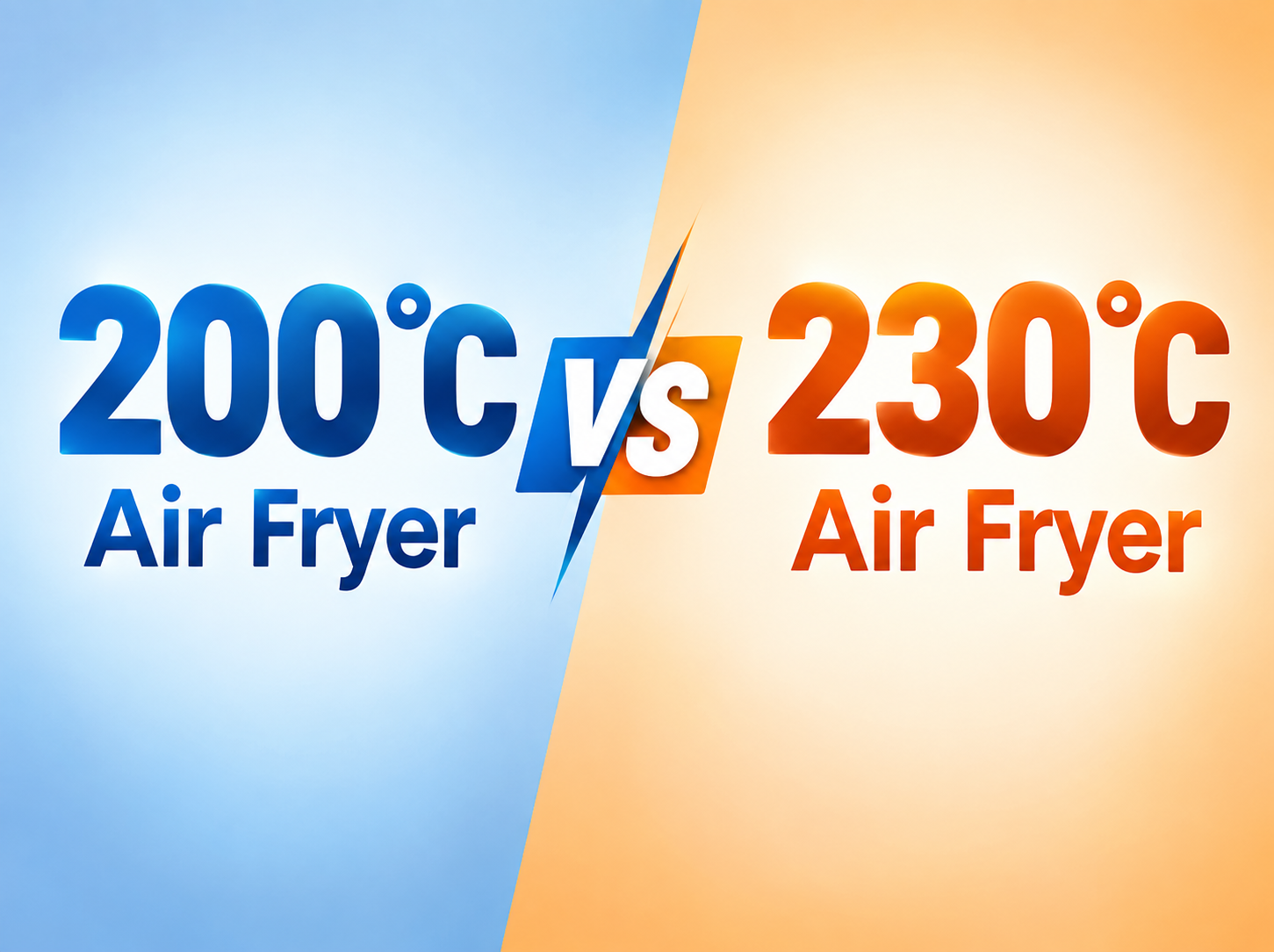
200°C vs 230°C Air Fryer: Which one is better?
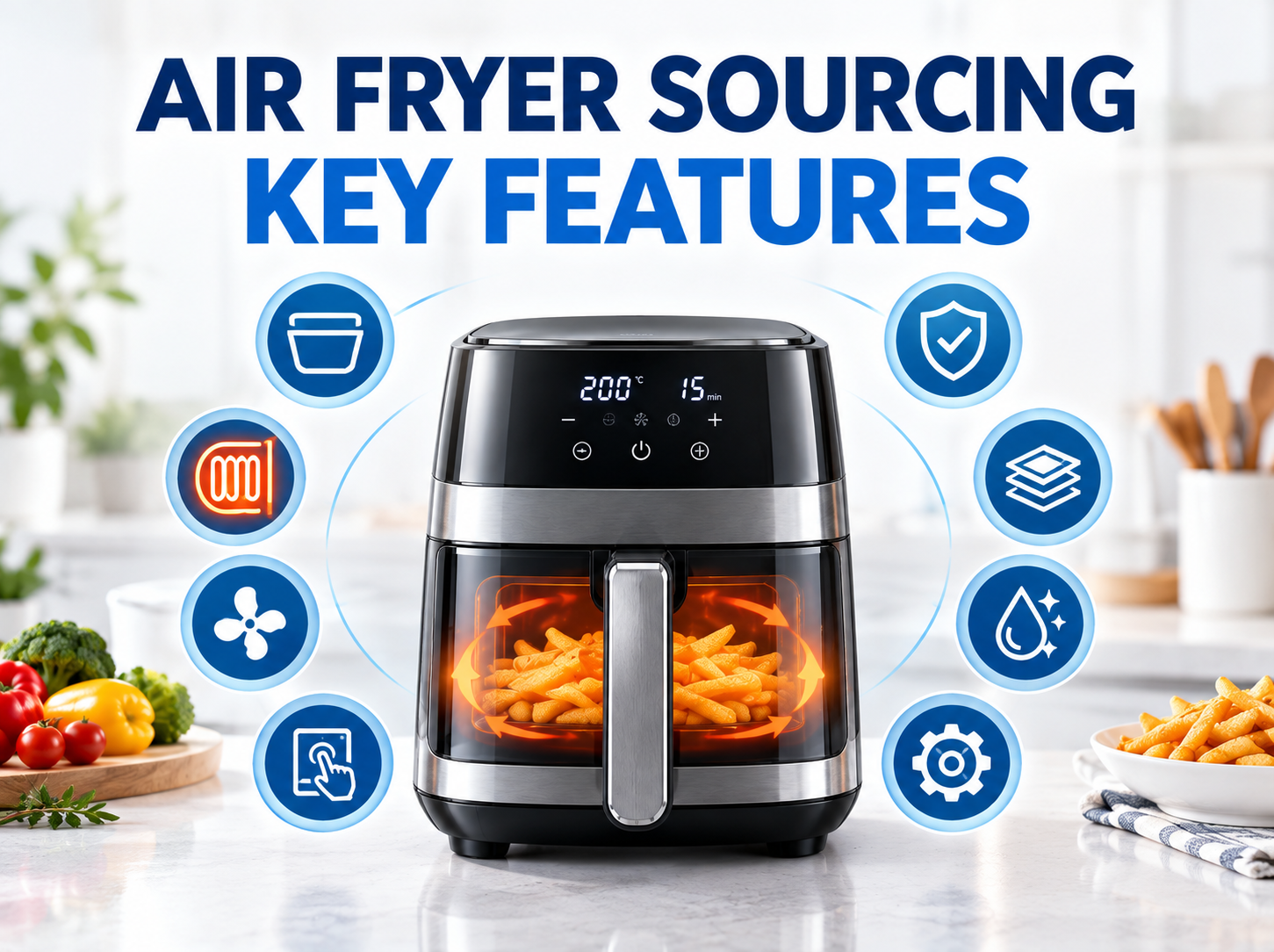
What Are the Most Important Features to Consider When Sourcing an Air Fryer?
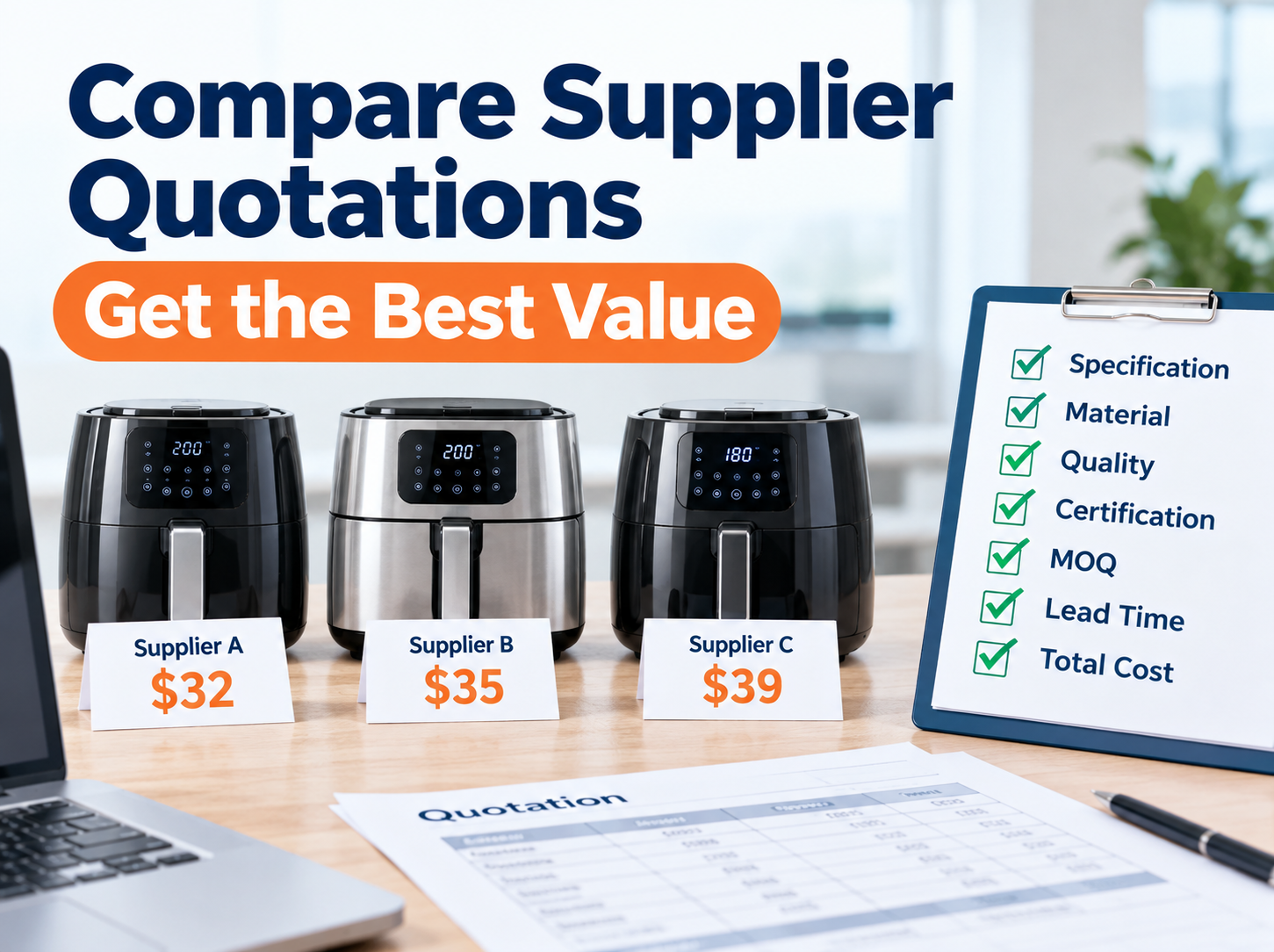
How to Compare Quotations from Different Air Fryer Suppliers?
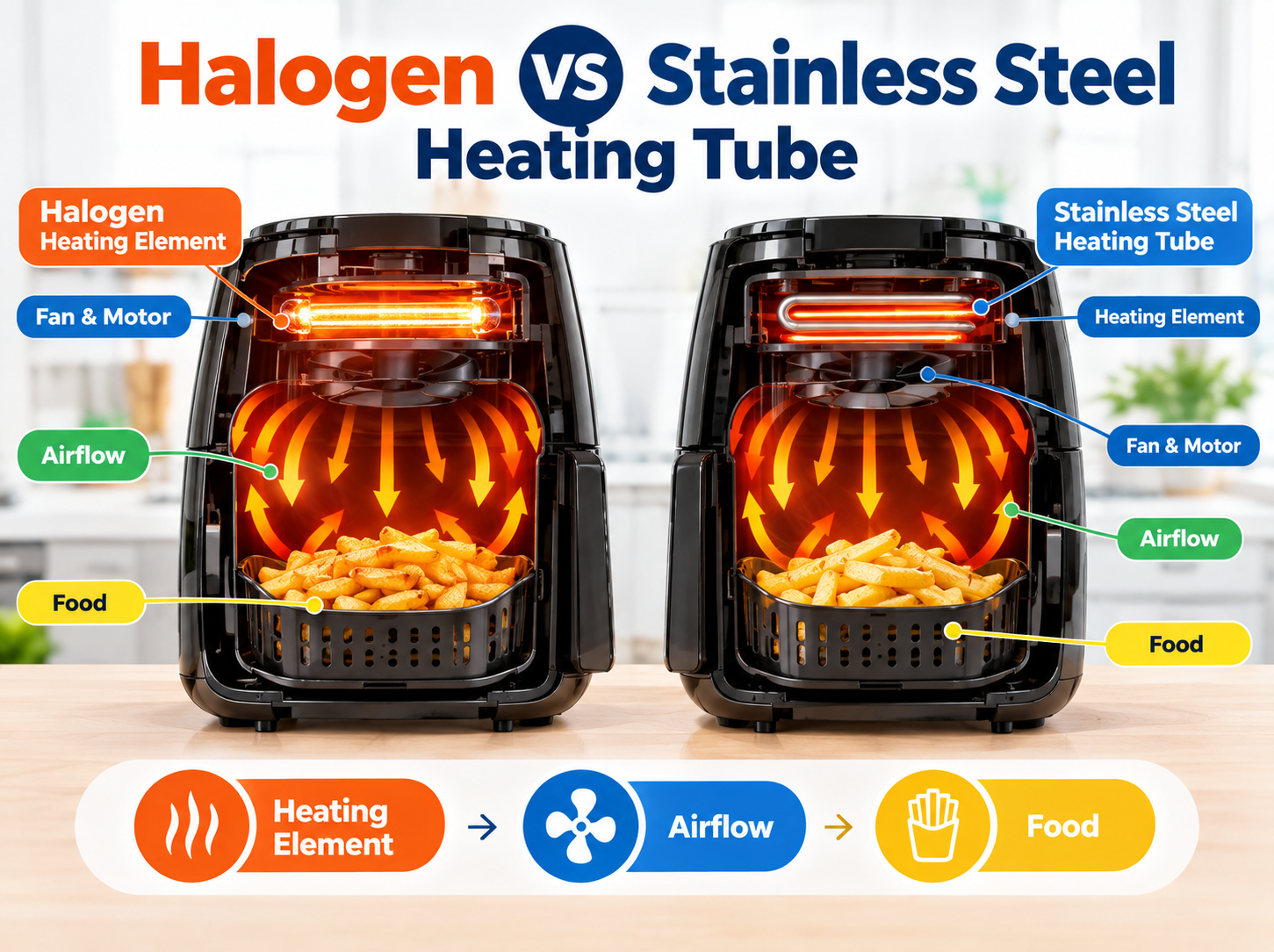
Air Fryer Heating Element: Halogen vs Stainless Steel Tube
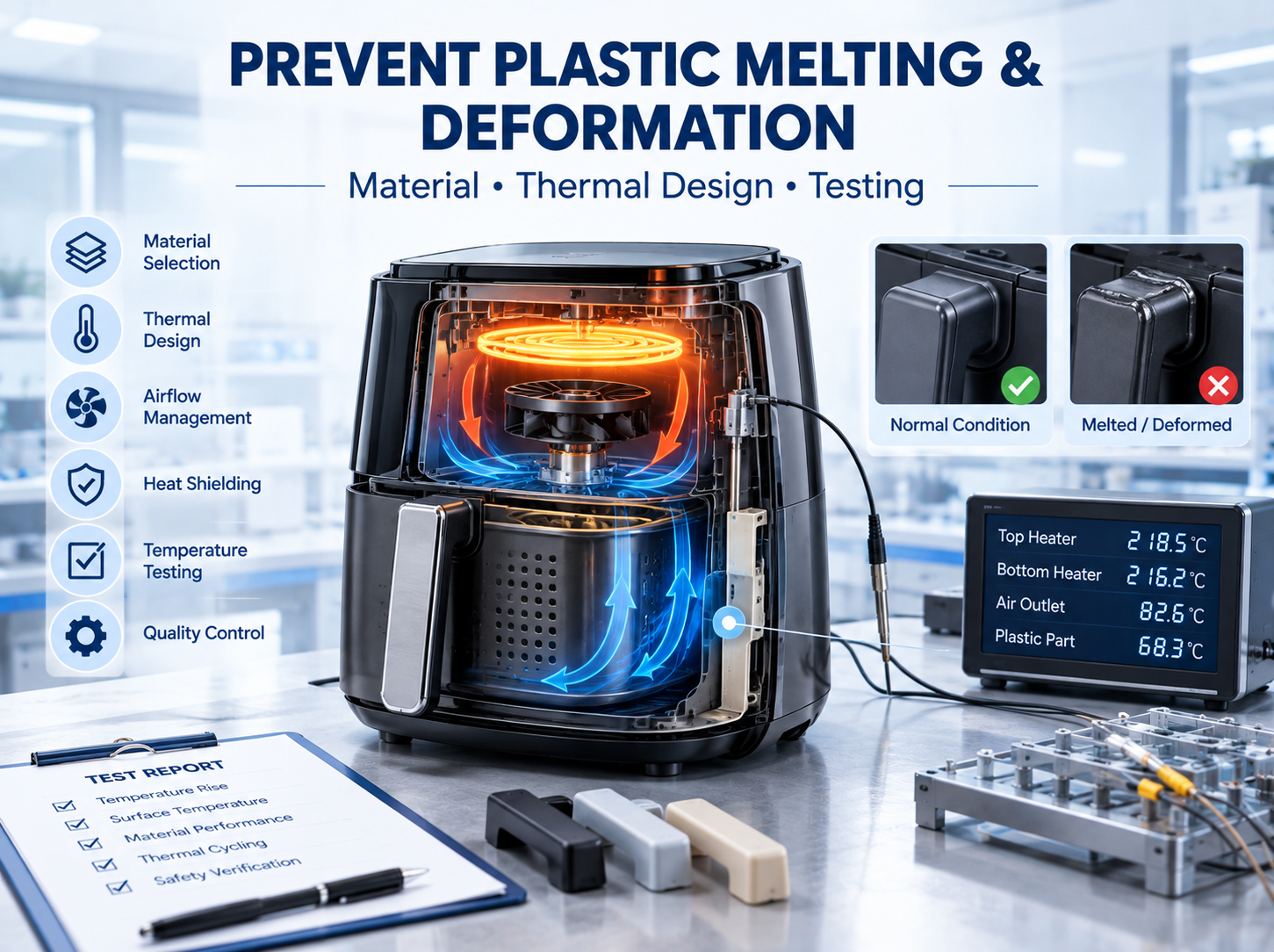
How Can I Prevent Plastic Melting or Deformation in an Air Fryer?

Kitchen Appliance Regulations In the European Union
 + 86 181 3826 8709
 info@funloiv.com
 6/F., Guanglong Building, Pingxin North Road, Longgang, Shenzhen City, Guangdong, China


@ 2009-2026 Shenzhen Funloiv Electric Appliance Co., LtdAll rights reserved


