 Notice:

 search
search
search
Sep 28, 2026


When sourcing an air fryer for a brand, retail business or distribution market, buyers should look beyond capacity, wattage and the number of cooking programs.
The most important air fryer features are connected to the complete product system, including:
Capacity + Heating + Airflow + Cooking Chamber + Basket Design + Controls + Materials + Cleaning + Safety + Noise + Product Architecture + Reliability
The right combination depends on the target market, consumer, retail positioning and product price.
For B2B buyers, the key question is therefore not:
“Which air fryer has the most features?”
It is:
“Which features create the right combination of cooking performance, user experience, safety, reliability and commercial value for my target market?”
This guide explains the most important features to evaluate when sourcing an air fryer from an OEM or ODM supplier.
1. Capacity and Usable Cooking Area
Capacity is usually one of the first specifications buyers compare.
Common air fryer capacities include:
l 3–4L
l 5–6L
l 6–8L
l 8–10L
l 10–12L+
l Dual-basket configurations
However, nominal capacity is not necessarily the same as usable cooking capacity.
Two air fryers labeled “8L” can have different:
l Basket dimensions
l Basket shapes
l Cooking surface areas
l Basket depths
l Internal chamber geometries
l Maximum practical food loads
This is particularly important when comparing single-basket and dual-basket products.
A dual-basket air fryer may have a larger total nominal capacity, but each cooking zone may be smaller.
What should buyers check?
When sourcing an air fryer, ask the supplier for:
l Nominal capacity
l Basket dimensions
l Usable cooking area
l Basket depth
l Recommended food load
l Single or dual cooking zones
l Product dimensions
l Packaging dimensions
Why does this matter?
Capacity affects:
l Target consumer
l Cooking requirements
l Product footprint
l Retail positioning
l Shipping volume
l Product architecture
Therefore, buyers should compare usable cooking space, not only the number printed on the product specification sheet.
2. Heating System and Maximum Temperature
The heating system is one of the most important technical features of an air fryer.
Possible configurations include:
l Single heating element
l Dual heating elements
l Halogen heating
l Stainless-steel heating tube
l Different heating-element positions
l Different rated power levels
Maximum temperature is another common specification.
For example:
l 200°C
l 210°C
l 220°C
l 230°C
However, maximum temperature should not be evaluated as an isolated number.
A product claiming 230°C should also be evaluated for:
l Actual temperature
l Temperature stability
l Heating time
l Heating-element performance
l Airflow
l Temperature control
l Material suitability
l Thermal protection
A higher maximum temperature can be commercially useful for certain product concepts, but it does not automatically mean better cooking performance.
The complete system matters:
Heating Element → Airflow → Temperature Control → Cooking Chamber → Food
What should buyers ask?
Instead of asking only:
“Can the air fryer reach 230°C?”
ask:
“How is the specified maximum temperature measured, controlled and verified?”
This turns a catalogue specification into a measurable product requirement.
3. Airflow and Fan Performance
Airflow is often overlooked when buyers compare air fryers.
However, an air fryer is not simply a heating appliance.
A simplified system can be described as:
Heating Element → Motor → Fan → Airflow → Food → Moisture Removal
The heating element generates heat, while the motor and fan circulate heated air through the cooking chamber.
Airflow can affect:
l Heat transfer
l Cooking uniformity
l Moisture removal
l Temperature recovery
l Cooking time
l Browning and crisping
l Motor noise
Importantly:
More airflow does not automatically mean better cooking performance.
The airflow needs to be appropriate for the heating power, chamber geometry, basket design and food load.
What should buyers evaluate?
Ask the supplier about:
l Motor type
l Motor power
l Fan design
l Fan size
l Air inlet
l Air outlet
l Air circulation path
l Noise level
l Airflow distribution
For a new OEM or ODM project, airflow should be evaluated as part of the complete thermal architecture rather than as an independent component.
4. Basket and Drawer Design
The basket is one of the most visible and frequently used components of an air fryer.
It directly affects:
l Loading food
l Cooking area
l Air circulation
l Cleaning
l Handling
l Consumer experience
Common configurations include:
Single Basket
One continuous cooking space.
Dual Basket
Two separate cooking zones.
Dual Drawer
Two independent drawers that may operate simultaneously or independently.
Vertical Dual-Drawer
Two cooking zones arranged vertically to reduce countertop width.
Each architecture creates different engineering requirements.
For example, dual-basket products may require:
l Independent temperature control
l Separate cooking zones
l Different airflow management
l More complex controls
l Different heating configurations
What should buyers check?
Evaluate:
l Basket dimensions
l Cooking surface
l Perforation
l Handle strength
l Drawer movement
l Basket locking
l Coating
l Removability
l Cleaning access
l Dishwasher compatibility if claimed
Do not compare air fryers simply by asking:
“Does it have one basket or two?”
Instead, evaluate the complete basket architecture.
5. Cooking Performance and Evenness
Ultimately, consumers buy an air fryer to cook food.
Therefore, cooking performance should be treated as a core product feature.
Important factors include:
l Heating speed
l Temperature stability
l Temperature recovery
l Cooking uniformity
l Browning
l Crispness
l Moisture retention
l Cooking time
l Full-load performance
For B2B sourcing, cooking performance should ideally be tested using a repeatable procedure.
For example, when comparing samples from different suppliers, use:
l The same food
l The same food quantity
l The same starting temperature
l The same cooking temperature
l The same cooking time
l The same basket position
l The same preparation method
Then compare:
l Browning
l Crispness
l Undercooked areas
l Overcooked areas
l Moisture
l Overall consistency
This is much more meaningful than simply comparing the number of preset programs.
6. Control System and User Interface
Air fryer controls can range from very simple mechanical systems to sophisticated digital interfaces.
Mechanical Control
Typical features include:
l Temperature knob
l Timer knob
l Simple operation
Advantages may include:
l Simple user experience
l Lower component complexity
l Straightforward operation
l Potentially lower product cost
Digital Control
Possible features include:
l LED display
l Touch controls
l Digital temperature setting
l Digital timer
l Preset programs
l Shake reminder
l Preheat
l Reheat
l Keep warm
l Dehydrate
Advanced products may also include:
l Smart connectivity
l App control
l Recipe functions
l Customized cooking programs
However:
More functions do not automatically mean more consumer value.
The correct feature set depends on:
l Target consumer
l Retail price
l Market expectations
l Product positioning
l Product complexity
l Reliability requirements
A value-oriented product may benefit from simplicity, while a premium product may require a more sophisticated user interface.
7. Materials and Thermal Construction
Material selection affects both product performance and market positioning.
Air fryers may use:
l Plastic housings
l Metal housings
l Stainless-steel components
l Coated cooking baskets
l Different internal thermal materials
l Heat-resistant plastics
l Metal structural components
When evaluating materials, buyers should consider:
l Operating temperature
l Heat exposure
l Structural strength
l Surface temperature
l Long-term durability
l Appearance
l Cleaning
l Product positioning
l Cost
For example, a premium metal-body air fryer may be positioned differently from a basic plastic-body model.
However, material selection should not be reduced to:
“Metal is always better.”
The more useful question is:
“Is the selected material appropriate for the product's thermal requirements, durability expectations, target retail positioning and cost?”
For an OEM/ODM project, the supplier should also be able to explain how the selected materials are controlled during production.
8. Cleaning and Grease Management
Cleaning is an important product feature that is often underestimated during sourcing.
Consumers may use an air fryer several times per week, so difficult-to-clean areas can quickly become a user-experience problem.
Buyers should examine:
l Removable baskets
l Removable trays
l Non-stick surfaces
l Smooth internal surfaces
l Grease accumulation
l Food residue
l Corners and gaps
l Heating-area access
l Fan-area exposure
l Dishwasher compatibility, if claimed
The heating-element position can also affect cleaning access.
For example, different top-heating and rear-heating architectures may create different access conditions around the heating system and airflow path.
The key sourcing question is:
Can the consumer realistically clean the areas where grease and food particles accumulate?
A product that performs well but is difficult to clean may create more consumer complaints after launch.
9. Safety and Thermal Protection
For importers and brand owners, safety should be treated as a core product requirement rather than an additional feature.
Potential safety-related areas include:
l Thermal fuse
l Over-temperature protection
l Electrical insulation
l Grounding where applicable
l Leakage current
l Dielectric strength
l Automatic shut-off
l Abnormal operation protection
l Motor protection
l Surface temperature
l Mechanical stability
l Structural safety
The exact requirements depend on the product design, destination market and applicable standards.
A useful B2B approach is to divide the process into:
Design → Engineering Sample → Safety Testing → Design Verification → Compliance → Golden Sample → Mass Production
Certification documents are important, but they should not replace product-level verification.
Buyers should also confirm that the tested model, certification documents and production version correspond to the same product configuration.
10. Motor, Noise and Vibration
Motor performance is closely connected to airflow, but it also affects the user experience.
Possible motor configurations include:
l AC motors
l DC motors
l BLDC motors
When evaluating the motor, buyers should consider:
l Airflow requirements
l Motor power
l Noise
l Vibration
l Operating temperature
l Reliability
l Cost
l Product positioning
For example, a premium air fryer may place greater emphasis on quiet operation.
But buyers should avoid evaluating motor technology in isolation.
A motor with a particular technology is not automatically the best solution for every product.
The right question is:
Does the motor provide the required airflow, noise level, reliability and cost performance for the intended product?
Noise testing should ideally be performed under comparable conditions, such as:
l Startup
l Normal operation
l High-temperature operation
l Maximum fan operation
l Shutdown
11. Product Architecture and Countertop Footprint
Air fryer architecture can significantly affect how a product fits into a consumer's kitchen.
Common configurations include:
l Horizontal single basket
l Horizontal dual basket
l Vertical dual drawer
l Air fryer oven
l Multi-function countertop designs
Horizontal Designs
Potential characteristics include:
l Wider footprint
l Lower overall height
l Familiar product architecture
l Different drawer access
Vertical Designs
Potential characteristics include:
l Smaller countertop width
l Greater product height
l Independent cooking zones
l Different center-of-gravity considerations
l Different airflow requirements
For dual-drawer products, buyers should also evaluate:
l Drawer extension
l Product stability
l Center of gravity
l Usable cooking area
l Accessibility
l Cleaning
l Heat distribution
Therefore, product dimensions should not be evaluated only by external measurements.
The question is:
How does the product architecture affect the consumer's actual kitchen experience?
12. Cooking Chamber Geometry
The internal cooking chamber is another feature that can influence performance.
Important considerations include:
l Chamber volume
l Chamber shape
l Basket-to-heater distance
l Airflow path
l Heating-element position
l Fan position
l Internal surfaces
l Air inlet and outlet
l Food-to-heating-element distance
Two air fryers with the same nominal capacity can have different internal geometries.
This can influence:
l Air circulation
l Heat distribution
l Cooking uniformity
l Food loading
l Cleaning
l Product dimensions
For OEM/ODM development, chamber geometry should therefore be considered together with heating and airflow design.
13. Preset Programs and Smart Functions
Cooking presets are highly visible consumer features.
Common programs include:
l French fries
l Chicken
l Meat
l Fish
l Vegetables
l Cake
l Reheat
l Dehydrate
More advanced models may offer:
l Custom programs
l Multi-stage cooking
l Sync cooking
l Smart connectivity
l App-based recipes
However, the number of programs should not be used as a simple measure of product quality.
For B2B buyers, evaluate:
l Are the programs relevant to the target consumer?
l Are the default settings appropriate?
l Can users easily modify temperature and time?
l Are the controls intuitive?
l Can the product maintain consistent results?
l Does the additional complexity create additional quality or software risks?
A product with 12 programs is not automatically more commercially attractive than one with 6 well-designed programs.
14. Reliability and Mass-Production Consistency
This is one of the most important differences between consumer product evaluation and B2B sourcing.
A sample may perform well.
But the real question is:
Can the supplier reproduce the same performance across thousands of units?
Buyers should evaluate:
l Incoming quality control
l In-process inspection
l Electrical testing
l Aging testing
l Functional testing
l Final inspection
l Pre-shipment inspection
l Component consistency
l Production change control
l Approved sample management
The sourcing process should move from:
Sample Quality
to:
Production Consistency
to:
Batch Quality
A professional supplier should be able to explain how the approved sample becomes a production reference and how critical specifications are controlled during mass production.
15. Certification and Market Compliance
The required compliance framework depends on the destination market.
Before selecting a product, buyers should identify:
l Target country
l Applicable electrical requirements
l EMC requirements
l Safety requirements
l Plug requirements
l Labeling
l User manual language
l Packaging requirements
l Food-contact requirements where applicable
l Required certification or registration
For air fryers, safety and compliance can involve areas such as:
l Electrical safety
l Temperature rise
l Insulation
l Thermal protection
l Mechanical construction
l Marking and instructions
l Electromagnetic compatibility
The applicable requirements should be confirmed for the target market and product version.
Do not simply ask:
“Does this air fryer have CE?”
A better question is:
“Which compliance requirements apply to this exact model for my target market, and can the supplier provide documentation for the production version?”
16. How Should Buyers Prioritize Air Fryer Features?
There is no universal list of features that is most important for every air fryer.
The priority should depend on the product concept.
For a Value-Oriented Air Fryer
Focus on:
l Reliable heating
l Appropriate capacity
l Simple controls
l Easy cleaning
l Safety
l Cost efficiency
For a Premium Air Fryer
Consider:
l Materials
l Temperature control
l Airflow
l Cooking consistency
l Noise
l User interface
l Cleaning
l Product design
For a Large-Capacity Air Fryer
Pay particular attention to:
l Usable cooking area
l Heating distribution
l Airflow
l Temperature recovery
l Basket structure
l Stability
For a Dual-Basket Air Fryer
Evaluate:
l Independent controls
l Basket dimensions
l Heating architecture
l Airflow
l Synchronization
l Drawer mechanism
l Total usable cooking area
For a Vertical Air Fryer
Focus on:
l Countertop footprint
l Product stability
l Center of gravity
l Drawer accessibility
l Airflow
l Heat distribution
l Cleaning
This is why buyers should define the target product concept before selecting the final specification.
Air Fryer Feature Comparison Checklist
The following table can be used when comparing OEM/ODM air fryer models:
Feature | What Should Buyers Check? | Why Does It Matter? |
Capacity | Nominal and usable capacity | Consumer positioning |
Basket | Dimensions and configuration | Cooking space and usability |
Heating | Element type, position and power | Heating performance |
Temperature | Range, accuracy and stability | Cooking consistency |
Airflow | Motor, fan and circulation | Heat transfer and crisping |
Controls | Mechanical or digital | User experience |
Programs | Presets and customization | Product positioning |
Materials | Body, cavity and basket | Thermal and durability requirements |
Cleaning | Removability and grease access | Consumer experience |
Safety | Thermal and electrical protection | Compliance and reliability |
Motor | Noise, vibration and reliability | User experience |
Architecture | Vertical, horizontal or oven-style | Kitchen footprint |
Reliability | Testing and QC | Mass-production risk |
Certification | Market-specific requirements | Legal market access |
Packaging | Protection and transport | Product arrival condition |
How Should Buyers Test These Features Before Placing a Bulk Order?
A product specification is only useful when the supplier can demonstrate that the actual product meets it.
Before approving an air fryer sample, buyers should consider testing:
Performance
l Actual temperature
l Maximum temperature
l Heating speed
l Temperature stability
l Cooking consistency
l Timer accuracy
Mechanical
l Basket fit
l Drawer operation
l Handle strength
l Structural stability
User Experience
l Noise
l Vibration
l Controls
l Cleaning
l Basket removal
Materials
l Surface condition
l Plastic deformation
l Odor
l Coating condition
l Heat resistance
Safety
l Electrical safety
l Thermal protection
l Surface temperature
l Automatic shut-off
Packaging
l Product protection
l Accessory protection
l Carton strength
l Transportation/drop resistance
The same test conditions should be used when comparing samples from different suppliers.
This creates a much more objective sourcing process.
Why You Should Not Compare Air Fryers by One Feature
One of the most common sourcing mistakes is comparing products using only one specification.
For example:
“Supplier A offers an 8L air fryer at US$25, while Supplier B offers an 8L model at US$32.”
This comparison is incomplete.
The two products may differ in:
l Body material
l Heating system
l Motor
l Fan
l Temperature range
l Basket structure
l Controls
l Accessories
l Certification
l Packaging
l Warranty
l Quality-control requirements
The same principle applies to product features.
For example:
230°C vs. 200°C
does not tell you which product has better overall performance.
Similarly:
8L vs. 8L
does not tell you which product offers more usable cooking space.
And:
12 programs vs. 8 programs
does not tell you which product is easier to use.
For B2B sourcing, the better approach is to evaluate the complete product specification and performance system.
A Practical Air Fryer Sourcing Framework
Before selecting an OEM/ODM air fryer, buyers can use the following framework:
Step 1 — Define the Market
Identify:
l Target country
l Target consumer
l Sales channel
l Retail positioning
Step 2 — Define the Product
Specify:
l Capacity
l Basket configuration
l Architecture
l Materials
l Temperature range
l Functions
Step 3 — Evaluate the Technical System
Review:
l Heating
l Airflow
l Motor
l Temperature control
l Cooking chamber
l Thermal protection
Step 4 — Evaluate the User Experience
Check:
l Controls
l Basket
l Cleaning
l Noise
l Appearance
l Footprint
Step 5 — Test the Sample
Verify:
l Performance
l Cooking results
l Safety
l Materials
l Reliability
l Usability
Step 6 — Verify the Supplier
Evaluate:
l Engineering capability
l QC system
l Testing
l Production consistency
l Certification
l OEM/ODM experience
Step 7 — Compare the Commercial Proposal
Compare:
l FOB price
l MOQ
l Tooling
l Packaging
l Certification
l Lead time
l Warranty
l Spare parts
l Payment terms
This process helps buyers move from product selection to supplier selection.
Frequently Asked Questions
Ø What are the most important features of an air fryer?
For B2B sourcing, the most important areas include capacity, usable cooking area, heating system, airflow, temperature control, basket design, materials, cleaning, safety, controls, noise, product architecture and reliability.
The relative importance depends on the target market and product positioning.
Ø Is air fryer capacity the most important feature?
Capacity is important, but it should not be evaluated alone. Buyers should also compare usable cooking area, basket dimensions, product architecture and cooking performance.
Ø Is a higher wattage air fryer better?
Not necessarily. Rated power should be evaluated together with heating efficiency, airflow, temperature control, cooking chamber design and the intended product requirements.
Ø Is 230°C better than 200°C?
A higher maximum temperature may provide a useful product differentiation, but the number itself does not prove better cooking performance. Buyers should verify actual temperature, stability, heating performance, airflow and material suitability.
Ø Is a dual-basket air fryer better than a single-basket model?
Neither configuration is universally better. A dual-basket model can provide separate cooking zones and greater flexibility, while a single-basket design provides one continuous cooking space. The appropriate configuration depends on the target consumer and cooking requirements.
Ø What should I test before ordering an air fryer?
At minimum, evaluate temperature, heating, cooking consistency, timer accuracy, motor noise, basket durability, handle strength, surface temperature, material performance, electrical safety, continuous operation, cleaning and packaging.
Ø What should I ask an OEM air fryer supplier?
Ask about product specifications, heating architecture, airflow, materials, motor, controls, certification, testing, MOQ, tooling, lead time, warranty, spare parts and mass-production quality control.
Ø How can I compare air fryer suppliers fairly?
Make sure the quotations refer to comparable products. Compare the complete specification, materials, functions, certification, MOQ, packaging, tooling, lead time, warranty and commercial terms—not just the FOB unit price.
Conclusion
When sourcing an air fryer, the most important features are not necessarily the ones that look most impressive on a product catalogue.
A successful B2B product should combine:
**Appropriate Capacity
l Effective Heating
l Optimized Airflow
l Suitable Basket Design
l Consistent Cooking Performance
l Appropriate Controls
l Suitable Materials
l Easy Cleaning
l Safety
l Acceptable Noise
l Reliable Architecture
l Mass-Production Consistency**
The right combination depends on the target market, consumer, retail positioning and price level.
For importers, brand owners and retailers, the goal should not be to find an air fryer with the largest capacity, the highest temperature or the most programs.
The goal is to find a product whose features, performance, quality, compliance and cost structure match the intended market.
And before placing a bulk order, every important product claim should ideally be converted into something that can be specified, tested and controlled during mass production.
That is the difference between simply buying an air fryer and professionally sourcing an air fryer for a brand.
Need Help Developing an OEM/ODM Air Fryer?
If you are developing an air fryer for your brand, the first step is to define the target market, consumer, product positioning and key performance requirements.
An experienced OEM/ODM supplier can then help translate those requirements into:
Product Specification → Engineering → Prototype → Testing → Tooling → Mass Production
If you already have a reference product, target specification or product concept, you can share the basic requirements with FUNLOIV for an OEM/ODM project discussion.
Related Articles
l Air Fryer Heating Element: Halogen vs. Stainless Steel Heating Tube.
l Why Does Airflow Matter in an Air Fryer?
l What Is the Difference Between AC and BLDC Motors in Air Fryers?
l What Makes an Air Fryer Cook More Evenly?
l How Can I Test an Air Fryer Sample Before Placing a Bulk Order?
l What Quality-Control Standards Should I Require from an Air Fryer Supplier?
l What Air Fryer Tests Should Be Included in a Pre-Shipment Inspection?
l What Factors Affect the FOB Price of an Air Fryer?
l How to Compare Quotations from Different Air Fryer Suppliers?
l 230°C Air Fryer: What Buyers Should Check Before Importing?
l A Dual Heating vs Single Heating Air Fryer- Which Is Better?
l What Is the Difference Between AC and DC Motors in Air Fryers?
l Air Fryer for the Middle East - A Guide to G-Mark, Specifications and Compliance?
l What Are the Most Common Quality Problems with Air Fryers?
l Air Fryer RFQ Checklist: 20 Specifications Buyers Should Include.
l How To Verify Whether an Air Fryer Supplier Is Reliable?
l How to Choose an OEM-ODM Air Fryer Supplier in China?
l 200°C vs 230°C Air Fryer: Which one is better?
l Metal-body vs plastic-body air fryer: which is better for a premium brand?
l Top Heating vs. Rear Heating Air Fryers: Which one is better for a B2B buyer?
l Is a Vertical Dual-Drawer Air Fryer Better for Saving Kitchen Space?
l Air Fryer Certifications & Compliance by Market- A Safety Guide for Importers.
l Vertical vs. Horizontal Dual-Basket Air Fryer- Which Is Better for Retail?
l What Air Fryer Capacity Is Best for the European Market?
l What Are the Common Warranty and After-Sales Problems with Air Fryers?
l What MOQ, Lead Time and Payment Terms Should I Expect from an Air Fryer Supplier?
l How Can I Prevent Plastic Melting or Deformation in an Air Fryer?
l What Air Fryer Safety Tests Should Be Completed Before Mass Production?
l What Is the Difference Between a Single-Basket and Dual-Basket Air Fryer?
l How Do Different Air Fryer Designs Affect Cooking Performance and Cleaning?
l How Much Does an OEM Air Fryer Cost from China?

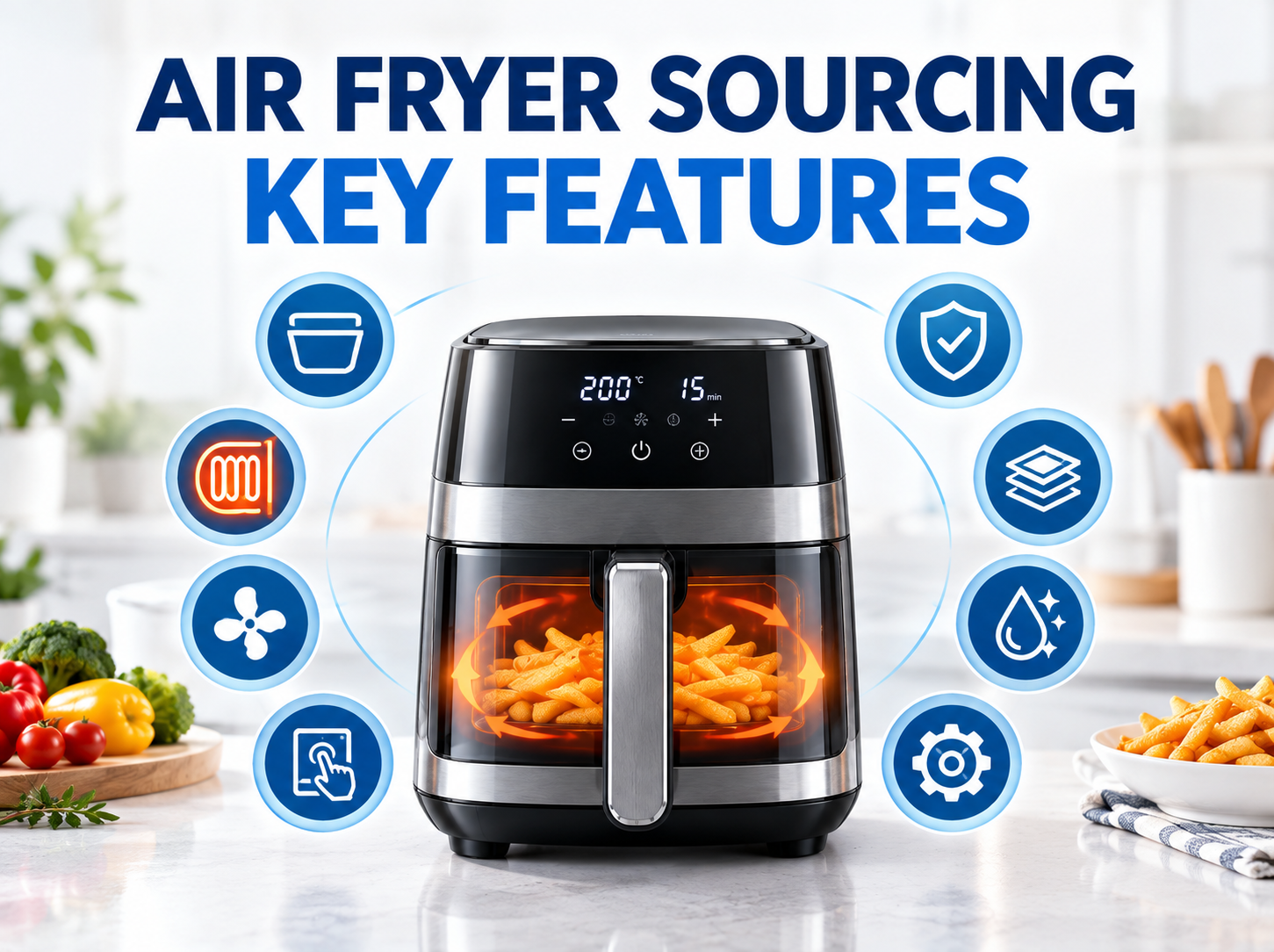
What Are the Most Important Features to Consider When Sourcing an Air Fryer?
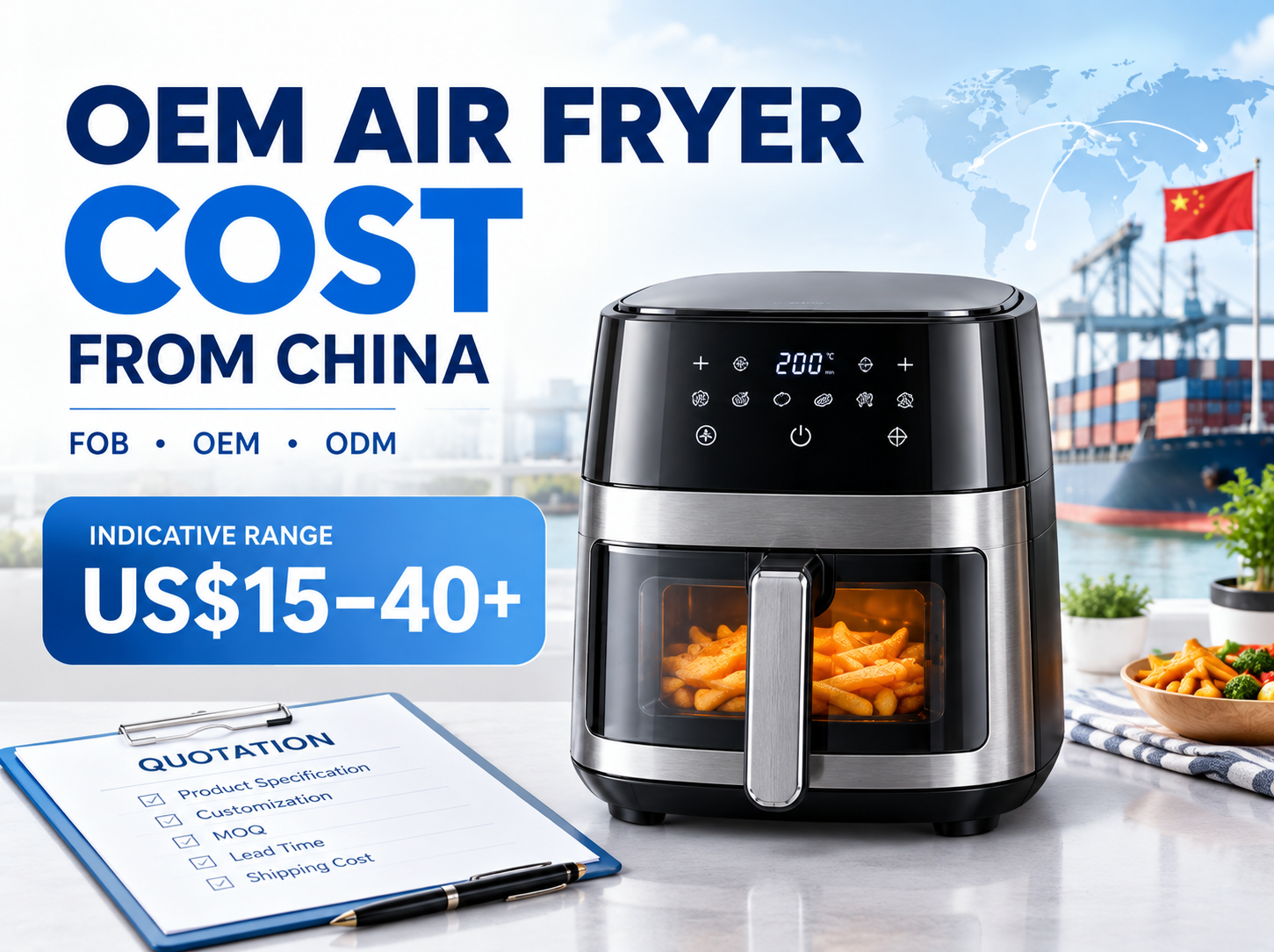
How Much Does an OEM Air Fryer Cost from China?

Wilko collapse - What Went Wrong With The High Street Retailer?
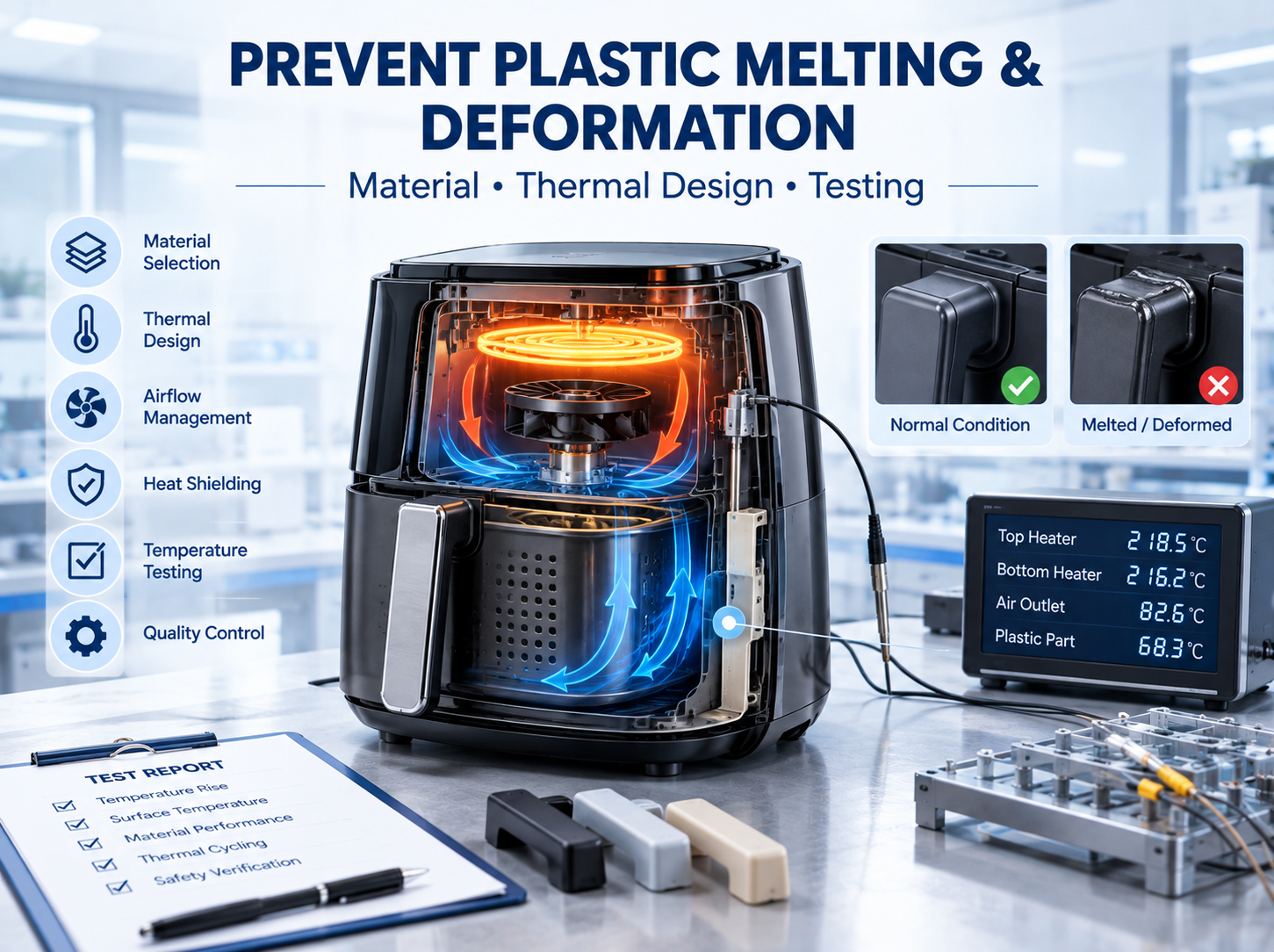
How Can I Prevent Plastic Melting or Deformation in an Air Fryer?
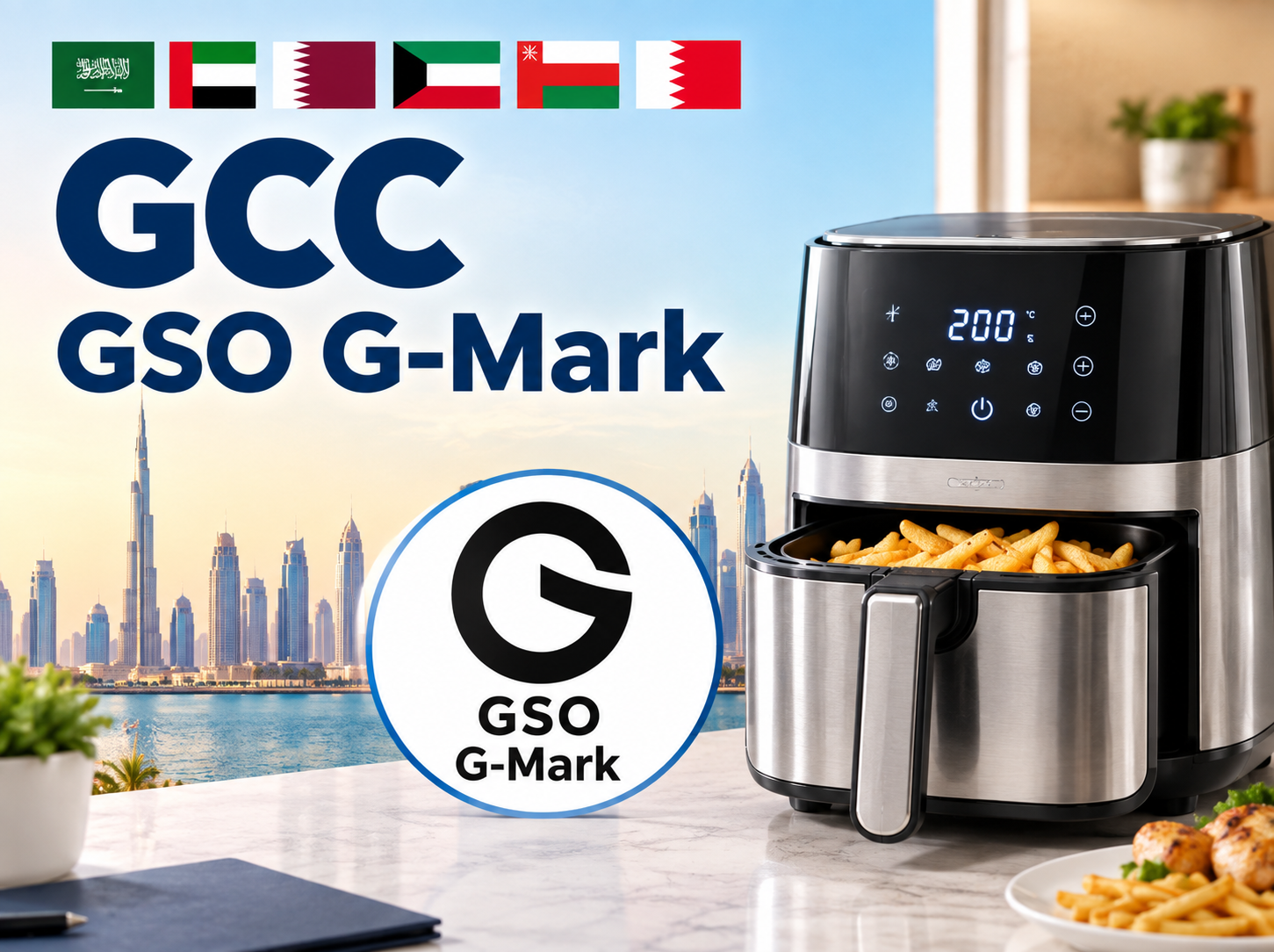
Air Fryer for the Middle East: A GCC Buyer’s Guide to G-Mark, Specifications and Compliance
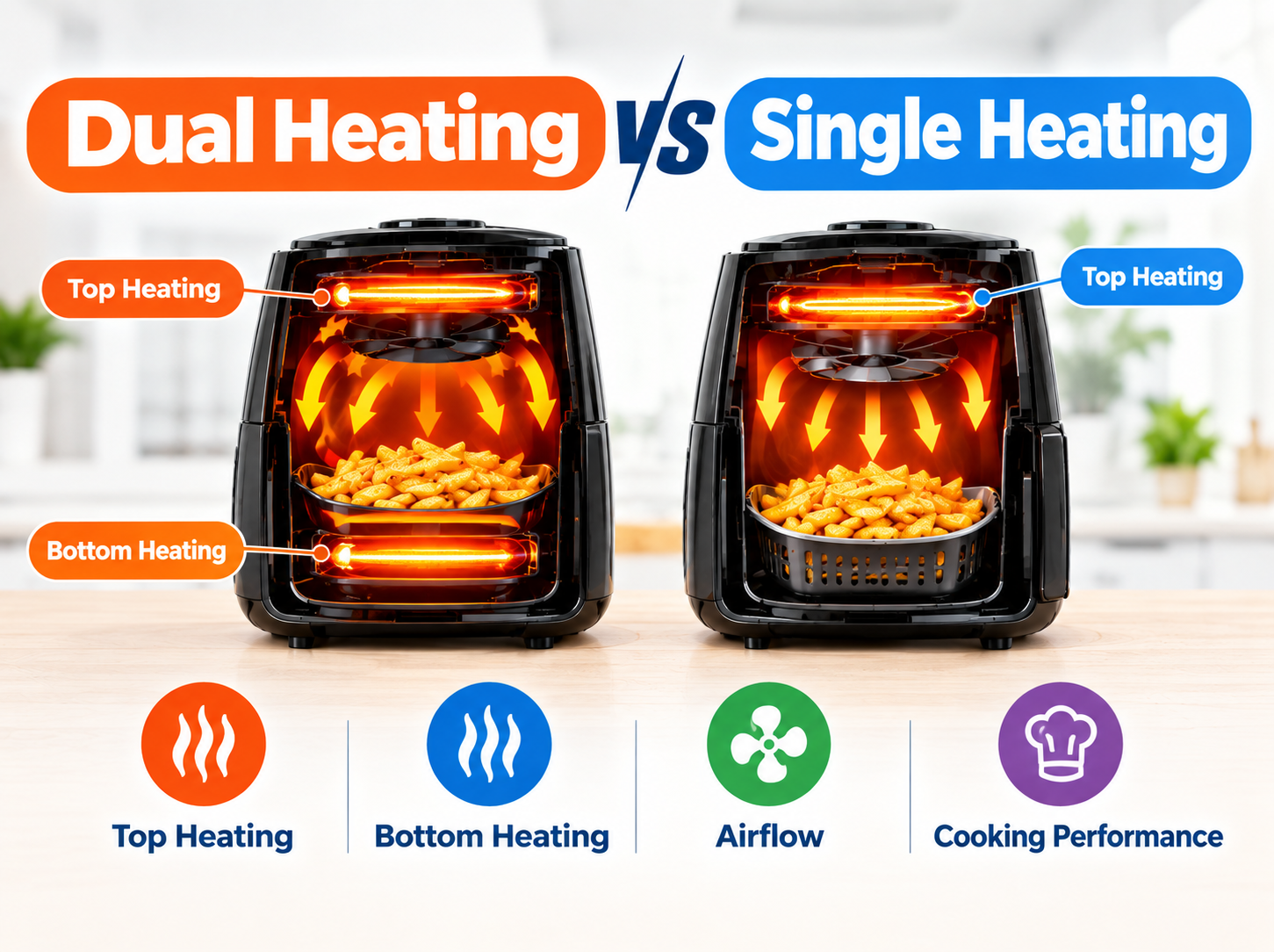
A Dual Heating vs. Single Heating Air Fryer: Which Is Better?
 + 86 181 3826 8709
 info@funloiv.com
 6/F., Guanglong Building, Pingxin North Road, Longgang, Shenzhen City, Guangdong, China


@ 2009-2026 Shenzhen Funloiv Electric Appliance Co., LtdAll rights reserved


