 Notice:

 search
search
search
Sep 30, 2026


Can an Air Fryer Supplier in China Help Design New Products?
Yes. An experienced air fryer OEM/ODM supplier in China can potentially support much more than manufacturing.
Depending on the supplier's engineering capabilities, product development support may include:
Product Concept → Industrial Design → Structural Engineering → Component Selection → Tooling → Prototype → Sample Testing → Compliance → Pilot Production → Mass Production
However, not every supplier offering “OEM” or “ODM” provides the same level of development support.
For importers, brand owners, wholesalers and retailers, the more important question is therefore not simply:
“Can you manufacture air fryers?”
A better question is:
“Can you help turn my product idea into a manufacturable, testable and commercially repeatable air fryer?”
This distinction is particularly important when developing a new product rather than simply putting a logo on an existing model.
1. What Is the Difference Between OEM and ODM Air Fryer Development?
Before discussing product design, it is important to understand the difference between OEM and ODM.
OEM Air Fryer Development
With an OEM project, the buyer normally has relatively clear product requirements and asks the supplier to manufacture or customize the product accordingly.
Typical OEM customization may include:
l Brand logo
l Product color
l Packaging
l User manual
l Accessories
l Control panel
l Capacity
l Selected functions
l Product configuration
For example, a brand may select an existing 8L air fryer platform and customize the appearance, branding and packaging for its target market.
ODM Air Fryer Development
ODM usually involves greater supplier participation in product development.
Depending on the supplier, ODM support may include:
l Product concept development
l Industrial design
l Structural design
l Engineering
l Component selection
l Tooling
l Prototype development
l Engineering samples
l Product testing
l Production preparation
Your existing guide, How to Choose an OEM/ODM Air Fryer Supplier in China, explains the key capabilities B2B buyers should evaluate when selecting an OEM/ODM supplier.
The important point is:
OEM and ODM are not simply two different labels. They represent different levels of supplier involvement in product development.
2. What Does “Designing a New Air Fryer” Actually Mean?
When buyers hear “product design,” they may think primarily about the external appearance.
But a real air fryer development project involves several layers of design.
Industrial Design
This includes the visible appearance of the product:
l Housing shape
l Overall proportions
l Control panel
l Handle
l Display
l Viewing window
l Color
l Surface finish
Structural Design
The internal structure is equally important.
It may involve:
l Cooking chamber
l Basket structure
l Heating-element position
l Fan position
l Motor arrangement
l Air ducts
l Air inlets and outlets
l Thermal insulation
l Internal component layout
Functional Design
The engineering team may also need to determine:
l Temperature range
l Timer
l Cooking programs
l Heating configuration
l Airflow
l Control system
l Sensors
l Safety functions
Manufacturing Design
Finally, the product needs to be suitable for mass production.
The design may need to consider:
l Injection molding
l Metal stamping
l Component availability
l Assembly process
l Tooling
l Production cost
l Quality control
Therefore:
A 3D rendering is not yet a manufacturable air fryer.
The supplier needs to connect design, engineering and manufacturing.
3. Can a Chinese Air Fryer Supplier Turn My Product Idea Into a Real Product?
This is one of the most important questions for a brand owner.
You may not have engineering drawings or technical specifications.
Instead, you may start with a commercial idea such as:
“We want an 8L premium air fryer for the European market, with a metal body, 230°C maximum temperature, quiet operation and a distinctive appearance.”
This is a product concept, not yet a complete engineering specification.
A capable OEM/ODM supplier may help translate this concept into:
Market Requirement
↓
Product Concept
↓
Technical Specification
↓
Industrial Design
↓
Structural Engineering
↓
Prototype
↓
Engineering Sample
↓
Testing
↓
Final Product
↓
Mass Production
This is where engineering capability becomes important.
Your Air Fryer RFQ Checklist explains why a buyer should provide more than simply “8L air fryer + target price.” Product capacity, voltage, frequency, heating system, control type, materials, packaging, certification, target market and other requirements can affect the development and quotation process.
4. What Information Should I Give an Air Fryer Supplier Before Product Development?
The better the initial information, the more efficiently the supplier can evaluate the project.
A brand or importer should ideally provide information about several areas.
Target Market
l Country or region
l Sales channel
l Target consumer
l Retail positioning
l Applicable compliance requirements
Product
l Target capacity
l Single or dual basket
l Temperature range
l Heating system
l Control type
l Key functions
l Materials
l Accessories
Design
l Product concept
l Reference products
l Photos
l Sketches
l 2D drawings
l 3D files, if available
l Preferred colors
l Brand identity
Commercial Requirements
l Target retail positioning
l Estimated order quantity
l Target FOB range
l Launch schedule
l Expected annual volume
Performance Requirements
For example:
l Maximum temperature
l Heating speed
l Cooking uniformity
l Noise level
l Energy consumption
l Airflow
l Basket capacity
This information helps the supplier understand not only what product you want, but also why you want it.
And that distinction can affect the final design.
5. Can Suppliers Help With Industrial and Structural Design?
Yes, if the supplier has genuine product-development capability.
For an air fryer, industrial design and structural engineering need to work together.
For example, a brand may want a very compact air fryer with a large cooking capacity.
That creates engineering questions:
l Where should the heating element be located?
l Where should the fan be positioned?
l How should air enter and leave the cooking chamber?
l How much space is needed around the heating system?
l How can the basket maintain sufficient airflow?
l How can heat be isolated from plastic components?
l How can the product remain stable during operation?
A visually attractive design may not automatically provide good cooking performance.
The final design therefore needs to balance:
Appearance + Cooking Performance + Thermal Management + Airflow + Safety + Manufacturing + Cost
This is particularly important for differentiated products such as:
l Vertical dual-drawer air fryers
l Dual-heating air fryers
l Metal-body air fryers
l 230°C air fryers
l Large-capacity air fryers
6. Why Are Heating and Airflow Important During New Product Development?
This is an area where an air fryer supplier's technical knowledge matters considerably.
An air fryer is not simply:
Heating Element + Basket
It is an integrated system involving:
Heating Element → Motor → Fan → Airflow → Cooking Chamber → Food
Airflow affects:
l Heat transfer
l Moisture removal
l Cooking uniformity
l Temperature recovery
l Crisping
l Noise
l Overall cooking performance
Your existing article Why Does Airflow Matter in an Air Fryer? explains why fan performance, heating power, chamber volume, basket design and airflow distribution need to be considered together.
This becomes especially important when developing a new product.
For example, changing the:
l Heating element
l Fan
l Motor
l Basket
l Cooking chamber
l Air duct
l Product capacity
may change the overall thermal and airflow performance.
Therefore:
Heating, airflow, motor and cooking-chamber design should be developed as one system rather than as independent components.
7. Can a Supplier Develop New Tooling and Molds?
For a genuinely new air fryer design, tooling may be required.
A typical development process could look like:
New Product Concept
↓
Industrial Design
↓
3D Engineering
↓
Design for Manufacturing Review
↓
Tooling
↓
Prototype Parts
↓
Engineering Sample
↓
Testing
↓
Design Modification
↓
Final Tooling
↓
Mass Production
New tooling can involve significant cost and development time.
Therefore, buyers should clarify:
l What tooling is required?
l How much does it cost?
l Who owns the tooling?
l Who pays for tooling modification?
l How many tooling modifications are included?
l What happens if the project is cancelled?
l Can the tooling be transferred if the business relationship changes?
These questions should be answered before tooling starts, not after the mold has already been produced.
8. Can a Supplier Develop a New Product From an Existing Air Fryer Platform?
Yes, and this can be a very practical approach.
A completely new product is not always necessary.
A supplier may already have an existing platform with:
l Heating system
l Motor
l Fan
l Basket
l Control system
l PCB
l Housing structure
The buyer may then customize selected elements.
For example:
Existing Platform
↓
New Exterior Design
↓
New Color
↓
New Control Panel
↓
New Accessories
↓
New Packaging
This approach can potentially reduce development complexity compared with developing every component from zero.
For a new brand or small importer, this can be particularly useful.
It can also provide a middle ground between:
Private Label
and
Full ODM Development
9. How Much Can an Air Fryer Supplier Actually Customize?
The answer depends on the supplier, existing platform and project budget.
A useful way to think about customization is in levels.
Development Level | Typical Customization |
Existing Model | Logo + packaging |
Light OEM | Color + appearance + packaging |
Advanced OEM | Functions + selected components |
ODM | New appearance + structure + tooling |
New Platform | Product architecture + engineering + full development |
This means a buyer does not necessarily need to jump directly into a completely new ODM project.
For some businesses, starting with an existing platform may make more commercial sense.
For an established brand, however, deeper customization may be justified when product differentiation is important.
10. Can a Supplier Develop the Product and Then Produce It?
This is one of the major advantages of working with an integrated OEM/ODM supplier.
A development project can potentially move through:
Design
→
Engineering
→
Tooling
→
Sample
→
Testing
→
Production
→
QC
→
Export
This reduces the number of separate companies that the buyer needs to coordinate.
Instead of managing:
l Designer
l Engineering company
l Tooling company
l Factory
l Testing company
l Packaging supplier
l QC company
a capable supplier may coordinate several of these processes within one project.
However, buyers should still verify exactly which activities are performed internally and which are outsourced.
11. How Should the New Air Fryer Be Tested Before Mass Production?
A new product should not move directly from design to mass production.
A more controlled process is:
Design
↓
Engineering Sample
↓
Testing
↓
Modification
↓
Revised Sample
↓
Final / Golden Sample
↓
Compliance
↓
Pilot Production
↓
Mass Production
Sample testing should cover more than appearance.
Depending on the product, buyers can evaluate:
l Temperature accuracy
l Heating performance
l Cooking consistency
l Airflow
l Motor noise
l Fan performance
l Basket durability
l Handle strength
l Surface temperature
l Plastic deformation
l Odor
l Electrical safety
l Continuous operation
l Cleaning
l Packaging
Your Air Fryer Sample Testing Guide provides a detailed 14-point testing framework and explains why the sample should eventually become the production reference.
The key point is:
You are testing both the product and the supplier.
If a problem is found, a capable supplier should be able to explain:
l Why it happened
l Whether the issue comes from the design
l What corrective action is possible
l Whether the tooling needs modification
l Whether the problem can be controlled during mass production
12. Why Should Safety Testing Be Completed Before Mass Production?
Safety testing should be integrated into product development rather than treated as paperwork at the end.
Potential safety-related areas can include:
l Electrical insulation
l Leakage current
l Dielectric strength
l Grounding
l Temperature rise
l Thermal protection
l Abnormal operation
l Motor performance
l Heating-element safety
l Mechanical stability
l Material suitability
The exact requirements depend on the product design, target market and applicable standards.
Your existing Air Fryer Safety Testing Guide describes a practical development sequence:
Product Design → Engineering Sample → Safety Testing → Design Verification → Certification/Compliance → Golden Sample → Mass Production.
This sequence is important because discovering a safety problem after tooling and mass production have started can be much more expensive than correcting the design during engineering development.
13. What Happens After the New Product Is Approved?
This is an important point that buyers sometimes overlook.
A successful prototype does not automatically guarantee a successful production order.
Once the final sample has been approved, the buyer and supplier should establish a controlled production reference.
This should include:
Product Specification
l Dimensions
l Capacity
l Power
l Temperature
l Functions
Materials
l Plastic materials
l Metal materials
l Coatings
l Food-contact components
Components
l Heating element
l Motor
l Fan
l PCB
l Sensors
l Power cord
Appearance
l Color
l Finish
l Logo
l Control panel
Packaging
l Retail box
l Manual
l Labels
l Carton
Performance
l Temperature
l Cooking performance
l Noise
l Safety-related requirements
This is why your Air Fryer Quality-Control Guide emphasizes the importance of a clear product specification, incoming QC, production QC, functional testing, aging testing and pre-shipment inspection.
14. Can the Supplier Change Components After Sample Approval?
This is a question every serious OEM/ODM buyer should ask.
Imagine that you approve a sample using:
l One heating element
l One motor
l One fan
l One PCB
l One plastic material
Then the supplier changes one of those components during production without informing you.
The external appearance may remain almost identical.
But the product could have different:
l Heating performance
l Airflow
l Noise
l Temperature
l Reliability
l Energy consumption
l Safety characteristics
Therefore, the buyer should establish a change-control procedure.
For critical components, the supplier should not make an unapproved change simply because an alternative component is cheaper or easier to source.
This is especially important for a new OEM/ODM product.
15. How Can a New Product Be Designed for the Target Market?
A good product should not be developed only from the factory's perspective.
The buyer should first define the target market.
For example:
European Market
Potential considerations may include:
l Capacity
l Kitchen footprint
l Energy efficiency
l Materials
l Appearance
l Compliance
l Retail positioning
Middle East
Potential considerations may include:
l Larger capacity
l High-temperature cooking
l Product configuration
l Local compliance
l Retail price positioning
North America
Potential considerations may include:
l Voltage
l Capacity
l Controls
l Certification
l Retail packaging
l Consumer expectations
The supplier's engineering capability should therefore be combined with the buyer's market knowledge.
The best development process is not:
Factory decides → Buyer accepts
It is:
Market requirement + Buyer concept + Supplier engineering capability → Product
16. How Should Buyers Evaluate a Supplier's Real ODM Capability?
Don't simply ask:
“Do you offer ODM?”
Almost every supplier can potentially say yes.
Instead, ask for evidence.
R&D Capability
l Do you have an internal engineering team?
l How many air fryer projects have you developed?
l Can you modify existing structures?
l Can you develop completely new products?
Design Capability
l Can you provide 2D drawings?
l Can you provide 3D models?
l Can you develop industrial design?
l Can you optimize the design for mass production?
Tooling Capability
l Can you manage new molds?
l Who owns the tooling?
l How are modifications handled?
Engineering Capability
l Can you modify heating systems?
l Can you optimize airflow?
l Can you change motor/fan configurations?
l Can you develop new basket structures?
Testing Capability
l How are engineering samples tested?
l How many sample revisions are possible?
l How are safety tests handled?
l How is mass-production consistency verified?
Production Capability
l How is the approved sample controlled?
l How are component changes controlled?
l What QC processes are used during mass production?
The answers will tell you much more than the word “ODM” printed on a catalogue.
17. How Long Does It Take to Develop a New Air Fryer?
There is no universal development timeline.
The actual time depends on:
l Existing platform vs completely new product
l Industrial design complexity
l Structural design
l Tooling
l Component availability
l Prototype requirements
l Sample revisions
l Testing
l Certification
l Packaging
l Target launch date
A relatively simple customization project can be very different from a completely new air fryer platform.
Therefore, buyers should ask the supplier to divide the project into milestones:
Concept
→
Design
→
Engineering
→
Tooling
→
Sample
→
Testing
→
Final Approval
→
Production
This gives both sides a clearer understanding of the project schedule.
18. What Is the Best Development Approach for a New Air Fryer Brand?
For many brands, the most practical approach is not to develop everything from zero.
A staged approach can be:
Stage 1 — Select an Existing Platform
Evaluate suitable products.
Stage 2 — Test Samples
Check actual performance.
Stage 3 — Customize the Brand
Add:
Logo
Color
Packaging
Manual
Stage 4 — Make Deeper Product Changes
Modify:
Appearance
Functions
Accessories
Components
Stage 5 — Develop a New Product
Once the market positioning and product requirements are clear, move into deeper ODM development.
This can allow a business to balance:
Product Differentiation + Development Cost + MOQ + Lead Time + Market Risk
rather than assuming that a completely new product is always the best starting point.
19. What Should You Ask an Air Fryer Supplier Before Starting a New Product?
Here is a practical checklist for importers and brand owners.
Product Development
l Can you develop new air fryer designs?
l Do you have an internal R&D team?
l Can you modify existing platforms?
l Can you develop new structures?
Industrial Design
l Can you develop the exterior appearance?
l Can you provide 3D drawings?
l Can you develop a new control panel?
Engineering
l Can you modify the heating system?
l Can you optimize airflow?
l Can you change the motor or fan?
l Can you develop a new basket?
Tooling
l What molds are required?
l What is the tooling cost?
l Who owns the molds?
l How are modifications charged?
Sample
l How long does sample development take?
l How many revisions are possible?
l Can you provide a pre-production sample?
Testing
l How is cooking performance tested?
l How is temperature accuracy tested?
l How is airflow tested?
l How is safety tested?
Production
l How is the approved sample controlled?
l How are component changes managed?
l What QC procedures are used?
Commercial
l What is the MOQ?
l What is the expected development cost?
l What is the production lead time?
l What payment terms apply?
20. The Real Value of an OEM/ODM Air Fryer Supplier
For an importer, brand owner, wholesaler or retailer, the value of a capable Chinese air fryer supplier is not simply:
“We can make your product.”
The more valuable capability is:
“We can help you develop a product that can actually be manufactured, tested, certified and reproduced consistently at commercial scale.”
The complete process may look like:
Market Requirement
↓
Product Concept
↓
Industrial Design
↓
Structural Engineering
↓
Component Selection
↓
Tooling
↓
Prototype
↓
Engineering Sample
↓
Testing
↓
Compliance
↓
Golden Sample
↓
Mass Production
↓
QC
↓
Export
That is the difference between simply buying an existing air fryer and developing a new air fryer for your own brand.
Frequently Asked Questions
Ø Can an air fryer supplier in China help design a new product?
Yes. Suppliers with genuine OEM/ODM capabilities may support industrial design, structural engineering, component selection, tooling, prototypes, sample development, testing and production preparation.
Ø Do I need my own engineering team to develop an air fryer?
Not necessarily. An experienced ODM supplier may provide engineering and product-development support. However, buyers should verify the supplier's actual capabilities before starting the project.
Ø Can I develop a completely new air fryer from scratch?
Some Chinese OEM/ODM suppliers can support new product development from concept to production. The required tooling, engineering resources, testing and development cost depend on the complexity of the project.
Ø Can a supplier modify an existing air fryer?
Yes. Existing platforms can potentially be customized in areas such as appearance, color, controls, functions, accessories, packaging and selected components.
Ø Who pays for new air fryer tooling?
Tooling arrangements vary by supplier and project. Buyers should clarify tooling cost, ownership, modification cost and usage rights before development begins.
Ø How should I test a new air fryer before mass production?
Test temperature accuracy, heating performance, cooking consistency, airflow, noise, basket durability, surface temperature, materials, electrical safety, continuous operation and packaging.
Ø Should safety testing be completed before mass production?
Yes. Safety and design-verification testing should be integrated before mass production, because design changes become more complicated after tooling, certification and production have been finalized.
Ø How do I know whether a supplier really has ODM capability?
Ask for evidence of engineering capability, previous product-development projects, industrial design, structural engineering, tooling, prototypes, testing procedures and examples showing how products were taken from concept to mass production.
Ø Can a supplier help optimize an air fryer's heating and airflow system?
A supplier with relevant engineering capability may help evaluate the heating element, motor, fan, airflow path, cooking chamber and basket design as an integrated system. Airflow is particularly important for cooking uniformity and heat transfer.
Conclusion
Yes, a Chinese air fryer supplier can potentially help design new products—but the level of support depends heavily on the supplier's actual OEM/ODM engineering capabilities.
For a brand owner or importer, the goal should not simply be to find a supplier that says “OEM/ODM available.”
Instead, evaluate whether the supplier can support the complete development process:
Idea → Design → Engineering → Tooling → Prototype → Sample → Testing → Compliance → Production → QC
A strong development partner should be able to discuss not only the appearance of your new air fryer, but also its:
l Heating system
l Airflow
l Motor and fan
l Cooking chamber
l Materials
l Structure
l Safety
l Manufacturing process
l Quality control
l Target-market requirements
Most importantly, the supplier should be able to help you move from a product idea to a repeatable mass-produced product.
For buyers preparing a new project, a good starting point is to define your target market, capacity, product concept, key functions, design direction, expected quantity and target positioning before approaching an OEM/ODM supplier.
If you are developing a new air fryer for your brand, importer business or retail channel, send us your product concept, target capacity and market requirements. We can discuss the possible development approach, from an existing platform to a more customized OEM/ODM project.
Related FUNLOIV Guides
l Air Fryer Heating Element: Halogen vs. Stainless Steel Heating Tube.
l Why Does Airflow Matter in an Air Fryer?
l What Is the Difference Between AC and BLDC Motors in Air Fryers?
l What Makes an Air Fryer Cook More Evenly?
l How Can I Test an Air Fryer Sample Before Placing a Bulk Order?
l What Quality-Control Standards Should I Require from an Air Fryer Supplier?
l What Air Fryer Tests Should Be Included in a Pre-Shipment Inspection?
l What Factors Affect the FOB Price of an Air Fryer?
l How to Compare Quotations from Different Air Fryer Suppliers?
l 230°C Air Fryer: What Buyers Should Check Before Importing?
l A Dual Heating vs Single Heating Air Fryer- Which Is Better?
l What Is the Difference Between AC and DC Motors in Air Fryers?
l Air Fryer for the Middle East - A Guide to G-Mark, Specifications and Compliance?
l What Are the Most Common Quality Problems with Air Fryers?
l Air Fryer RFQ Checklist: 20 Specifications Buyers Should Include.
l How To Verify Whether an Air Fryer Supplier Is Reliable?
l How to Choose an OEM-ODM Air Fryer Supplier in China?
l 200°C vs 230°C Air Fryer: Which one is better?
l Metal-body vs plastic-body air fryer: which is better for a premium brand?
l Top Heating vs. Rear Heating Air Fryers: Which one is better for a B2B buyer?
l Is a Vertical Dual-Drawer Air Fryer Better for Saving Kitchen Space?
l Air Fryer Certifications & Compliance by Market- A Safety Guide for Importers.
l Vertical vs. Horizontal Dual-Basket Air Fryer- Which Is Better for Retail?
l What Air Fryer Capacity Is Best for the European Market?
l What Are the Common Warranty and After-Sales Problems with Air Fryers?
l What MOQ, Lead Time and Payment Terms Should I Expect from an Air Fryer Supplier?
l How Can I Prevent Plastic Melting or Deformation in an Air Fryer?
l What Air Fryer Safety Tests Should Be Completed Before Mass Production?
l What Is the Difference Between a Single-Basket and Dual-Basket Air Fryer?
l How Do Different Air Fryer Designs Affect Cooking Performance and Cleaning?
l How Much Does an OEM Air Fryer Cost from China?
l What Are the Most Important Features to Consider When Sourcing an Air Fryer?
l What MOQ Do Chinese Air Fryer Suppliers Usually Require?
l How Can I Import Air Fryers from China?

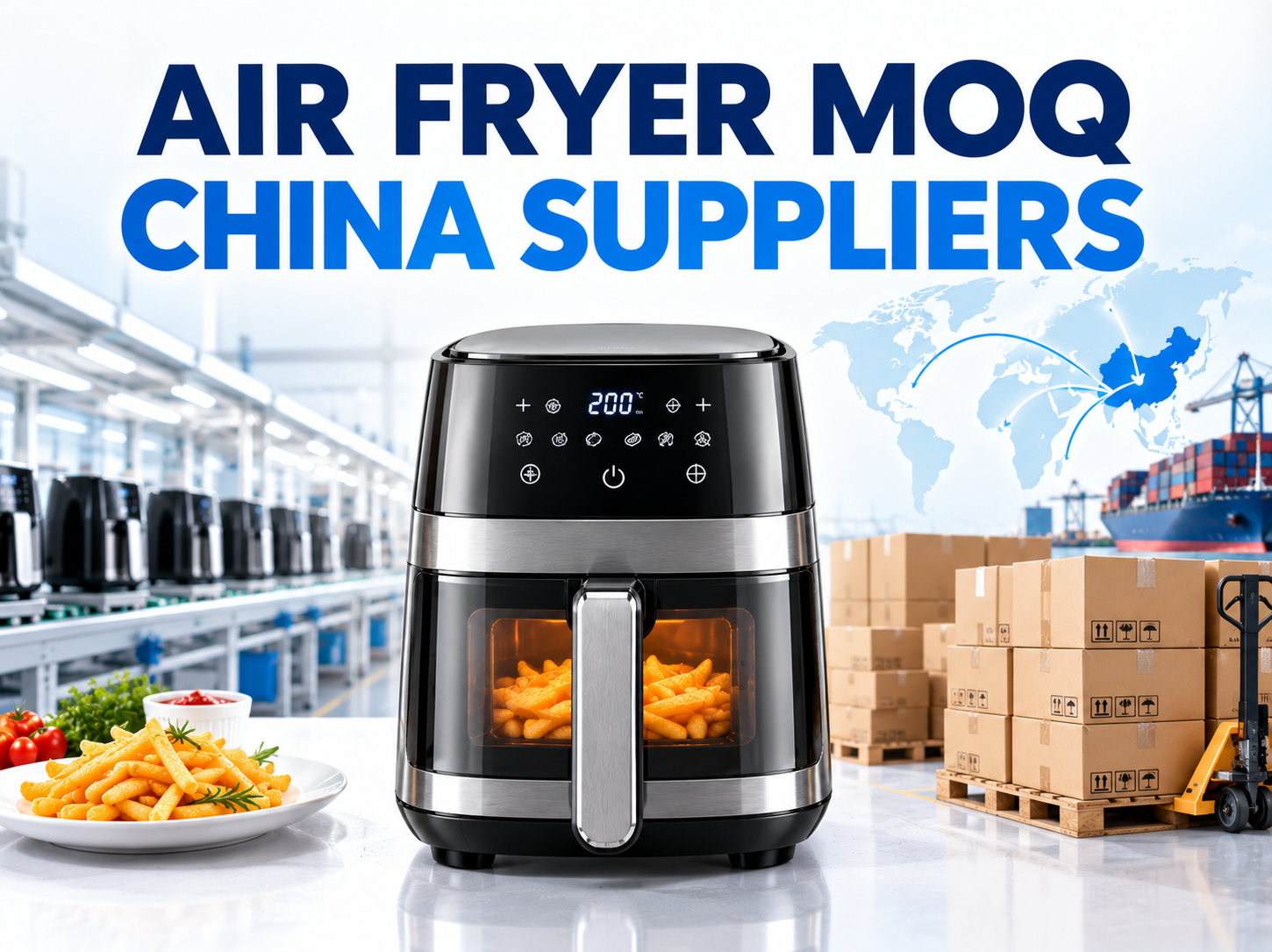
What MOQ Do Chinese Air Fryer Suppliers Usually Require?
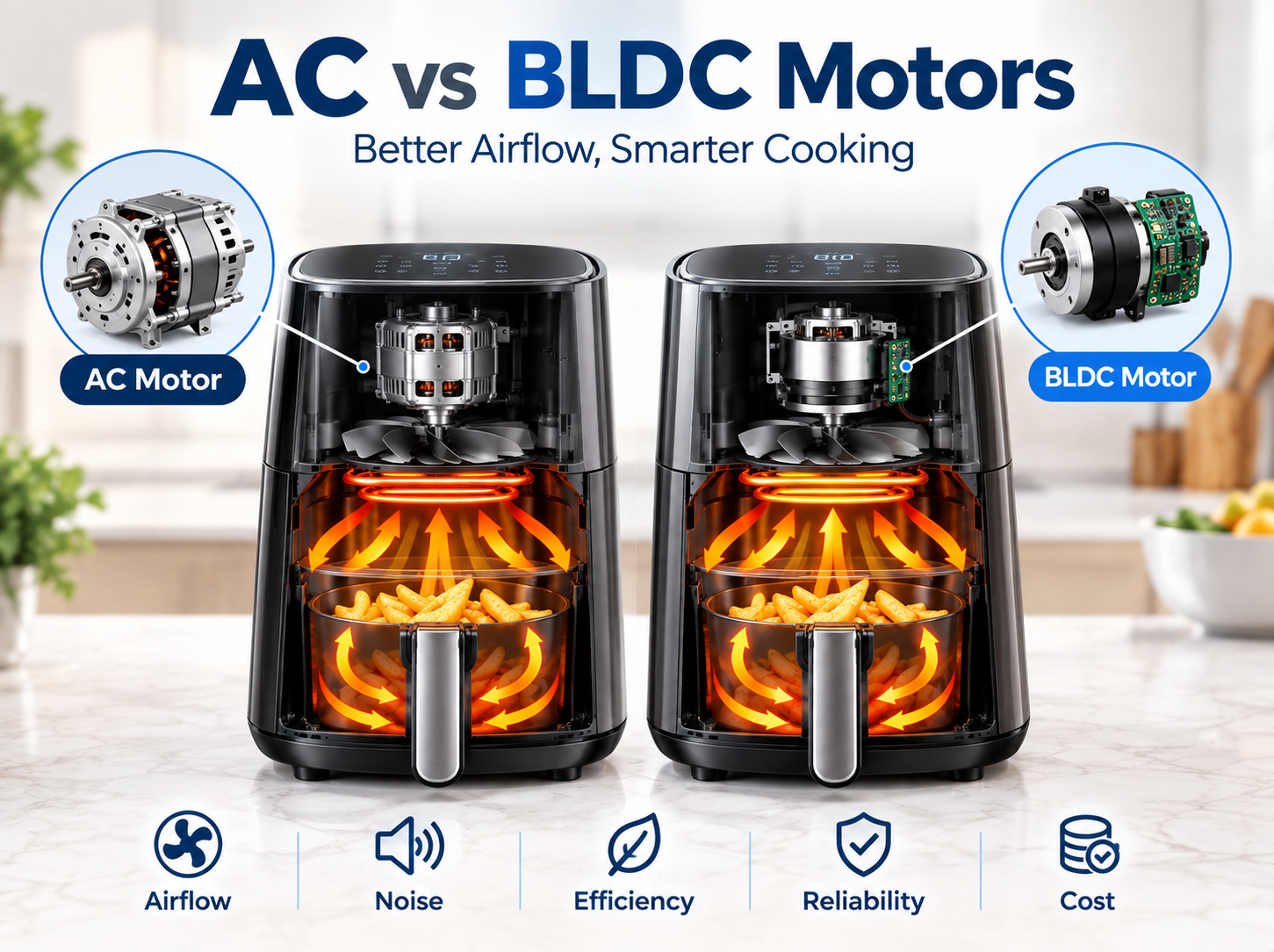
What Is the Difference Between AC and BLDC Motors in Air Fryers?
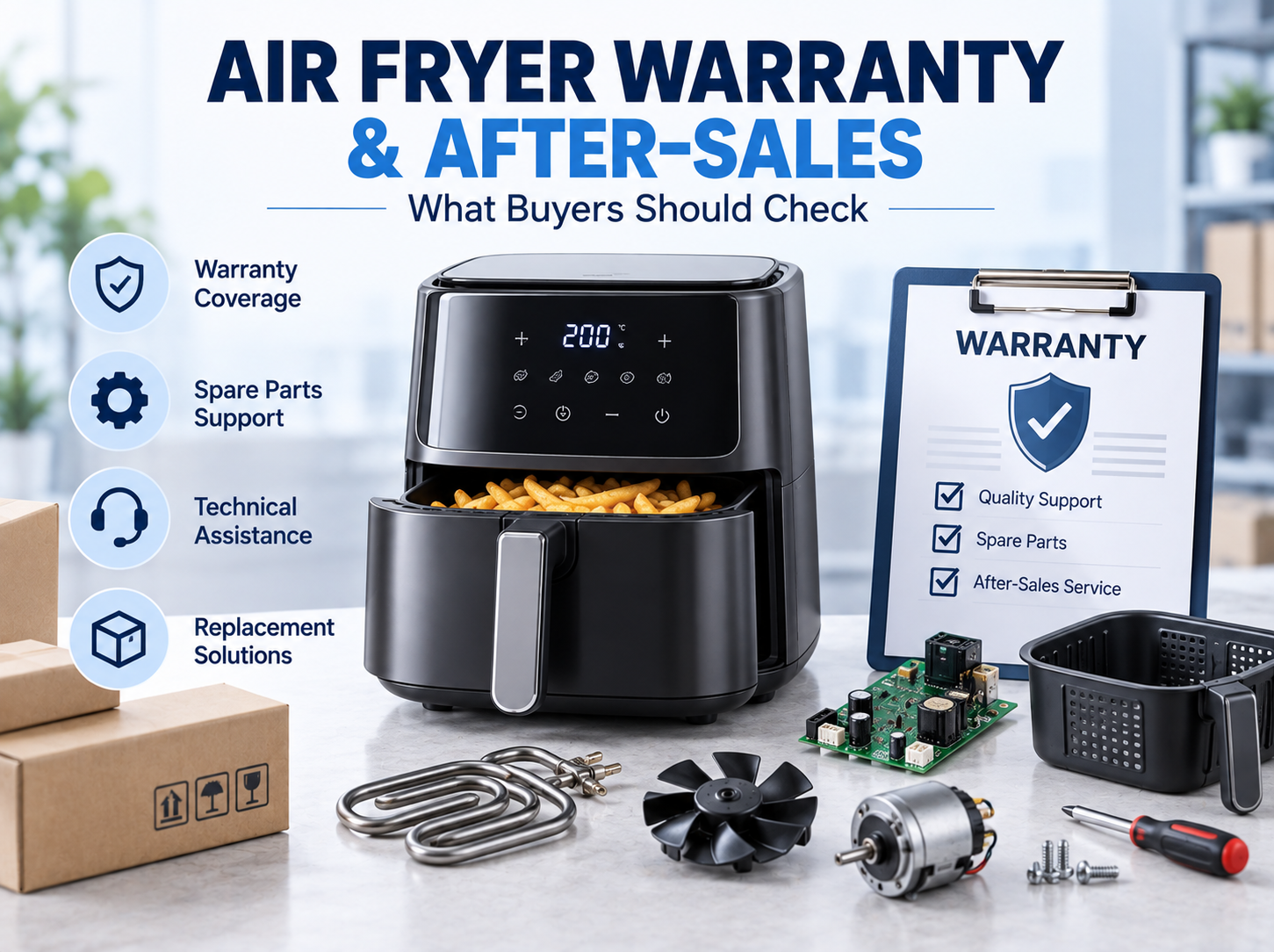
What Are the Common Warranty and After-Sales Problems with Air Fryers?
200°C vs 230°C Air Fryer: Which one is better?
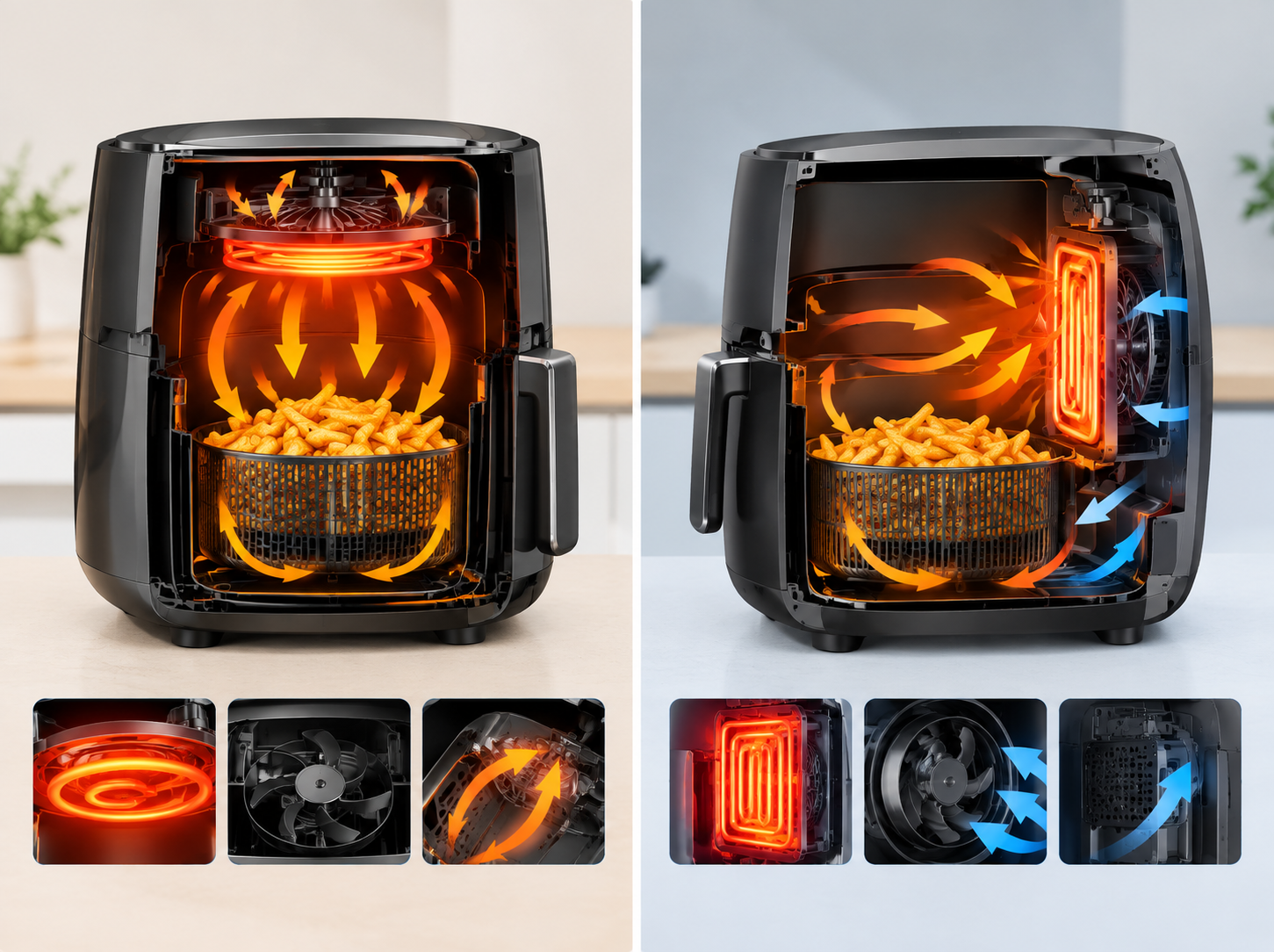
Top Heating vs. Rear Heating Air Fryer: Which one is better for a B2B buyer?
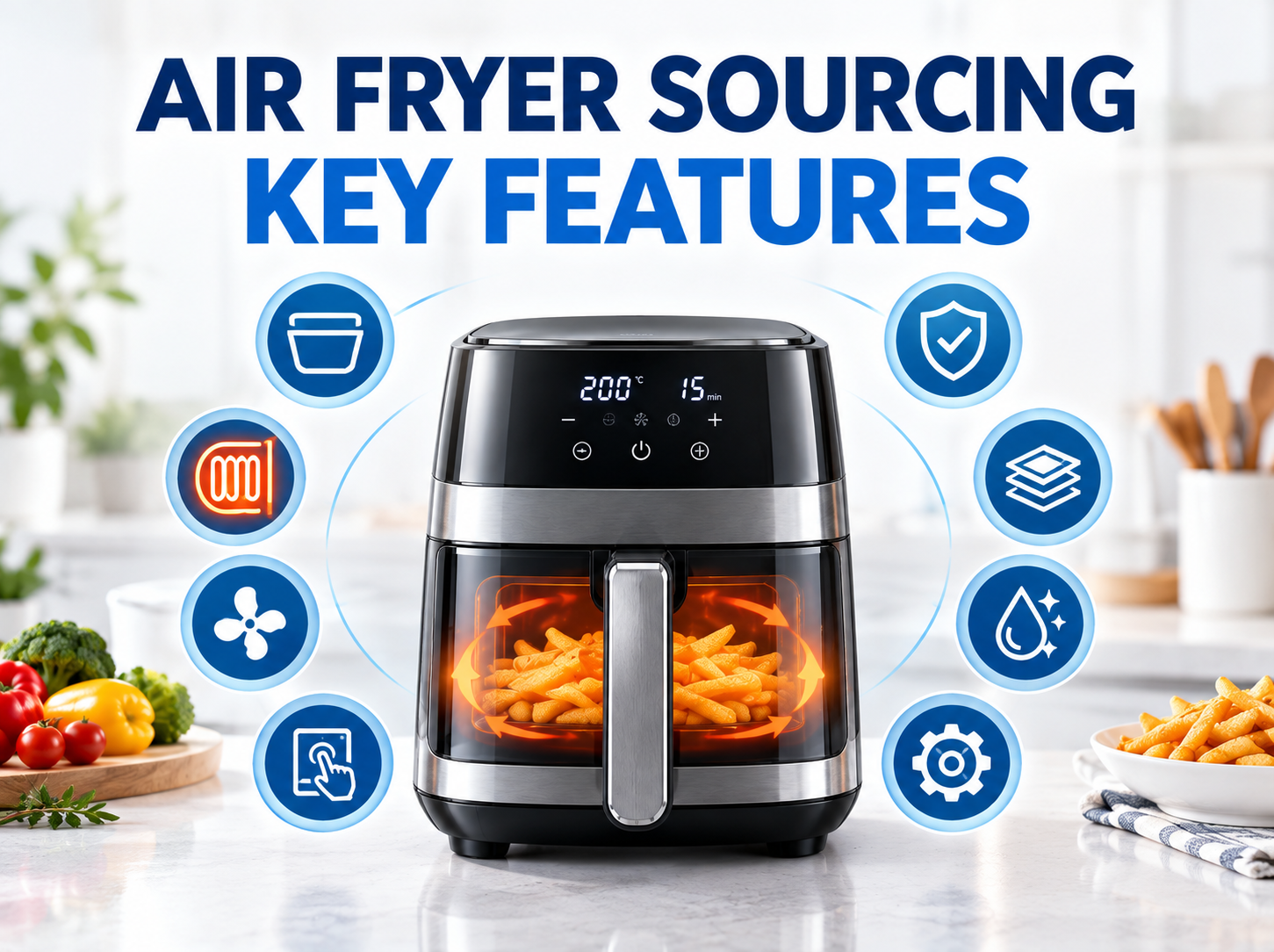
What Are the Most Important Features to Consider When Sourcing an Air Fryer?
 + 86 181 3826 8709
 info@funloiv.com
 6/F., Guanglong Building, Pingxin North Road, Longgang, Shenzhen City, Guangdong, China


@ 2009-2026 Shenzhen Funloiv Electric Appliance Co., LtdAll rights reserved


